All Posts by Andy Preston

Follow

About the Author

Andy Preston is a top International Sales Motivational Speaker, Sales Influencer and Master Sales Trainer. Named as one of the World's Top Sales Gurus, Andy creates 'Stand Out Salespeople' worldwide, with his revolutionary 'Stand Out Selling' Sales System. 'Stand Out Selling' helps salespeople stand out from their competition, win more business, and do so at higher prices! Previously a trained Professional Buyer, then the Top Salesperson in the UK, Andy Preston has now trained more than 160,000 Salespeople, in more than 50 countries, on 6 continents, since 2004! Andy is best known for his work in 5 specific areas... 1) Prospecting/Cold Calling/Business Development 2) Converting Incoming Sales Leads 3) Becoming The 'Stand Out' Trusted Advisor 4) Standing Out From The Competition 5) Helping Salespeople Close More Deals! With more testimonials than any other Sales Expert online (320+ on LinkedIn alone), Andy's work is recognised worldwide. You can contact Andy here for more information, and how he may be able to help you! Andy's Recent Accolades....... * The World's Top Recommended Sales Expert * Ranked UK's Top Sales Trainer - LinkedIn * #2 In The Top 20 UK Sales Blogs - Lolly.co * Top Sales Expert - Geniecast * Top Sales Influencer - WittyParrott * Top Sales Experts To Follow On Twitter - Evan Carmichael * 10 Sales Experts Every Salesperson Should Follow On Twitter - Etail Insights

Mar 04

Sales Lessons From Roberto Martinez

By Andy Preston | General Sales Tips

This article was written when Roberto Martinez was manager of Wigan Athletic. The lessons are still valid, even though Roberto has since moved on to other clubs….

I was lucky enough to be invited to a lunch recently with the Wigan Manager, Roberto Martinez. I was impressed with both what he talked about, and his philosophy on the game. If you’re a regular reader you’ll know I’m a big fan of the link between sports performance and sales performance, so in this article you’ll find some of what Roberto said, and how it relates to sales. Enjoy!

Sales Lesson No 1 – Fans Are Really Important…

One of the most impactful things Roberto shared was that fans really make a difference. When your own fans are loud, it makes a difference to the team. Supportive fans give the players a ‘mental boost’ and a feel good factor – they make a massive difference to the players and how they feel.
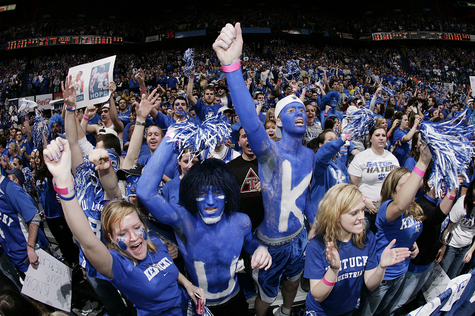
On the flip side, when your own fans are quiet, players make mistakes, negative comments from the crowd give impetus to the opposition, and affects both teams and the referee. So the fans are really, really important!

So in a sales context, who are YOUR fans? Who supports you when times are tough? Who gives you the ‘mental boost’ when you need it? Do you get that from your own company? Your friends and family? How about your own ‘inner voice?’ Does that support you? Or knock you down?

You can also use the the power of ‘fans’ in another way. Think about how often people are influenced or persuaded to do something (or at least be more likely to) by the behaviour of others! Think about how you can use that by including case studies or testimonials more in your sales efforts. Particularly if you can get them as a ‘reference site’ – so that prospects can call them, or you can get their testimonial on video, and have it on your iPad or laptop to show straightaway – very powerful.

Sales Lesson No 2 – Manage From The Technical Area!

One of the other guests asked Roberto a question regarding why managers watch games from the bench, rather than in the stand, where you can see more of the strategy of the game going on?

Roberto’s answer was fascinating. He replied that he much prefers to ‘manage’ the game from the technical area, stood on the side of the pitch, as close as possible to the players. The reason for this is that you get to know the players and how they’re playing… he can tell from their breathing patterns if they’re tired, concentrating (or not), he needs to take them off or make a change in the team’s approach for example.

He finds this far more useful than watching from the stands – where you can see more of the ‘strategy’ of the game, but you don’t get the insight into the individual players as much.

So how does this apply to you? Well if you’re a manager, then getting ‘up close’ to your team members will definitely help you to understand what’s going on in their heads, their levels of motivation and confidence, how they’re applying their sales skills and tactics in meetings etc, rather than managing by ‘figures’ back in the office.

If you’re a salesperson, and don’t have that ‘hands on’ interaction from your manager, it’s about knowing yourself… when you need to re-energise…. and having tools like this blog, audios in the car or reading books regularly to keep your own levels of confidence and motivation up! Then putting them into practice in your own ‘technical area’ – your sales meetings!

Sales Lesson No 3 – It’s Harder To Manage When You’re Losing

One of the best comments of the day came from Roberto when he said ‘it’s harder to manage when you’re losing!’ Now that might seem an obvious comment to make, but it was the context in which he made it that was very insightful.

Roberto was talking about when he moved from Swansea to Wigan. One of the biggest things he had to get used to was losing! From going from Swansea (who at the time were winning the vast majority of their matches, 9 out of 11 before his move) to Wigan (who weren’t!) was a big change.
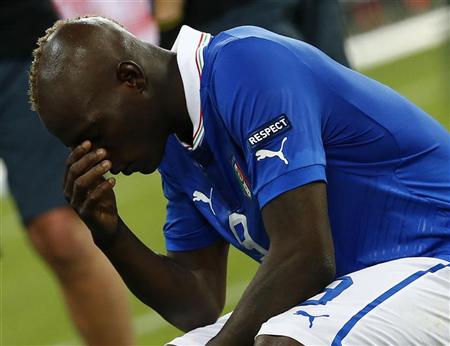
It wasn’t so much the players that were the difficulty – Roberto could work on their confidence and motivation – it was the non-playing staff at the club that were the bigger issue!

He went on to say that if a team doesn’t win in 2 months for example, motiving the non-playing staff is much more difficult that you would initially appreciate. It’s very easy for their heads to drop and get de-motivated, and that feeling spreads through the club really quickly if you’re not careful!

So think about you and perhaps your organisation (or the people you spend your time around most). Very often it can be the non-playing (non-sales) staff that are affected most when a company is struggling. The Customer Service staff when complaint levels rise. The Administration staff when orders are taken wrongly. Project Management or Operational staff when we’re trying to get something done ‘differently’ to the usual process. Management when the company doesn’t win the big deal they were hoping for.

We need to keep them motivated as well – especially if, as a salesperson, we rely on them to ‘back us up’ in delivering our products or services to customers and prospects! How motivated and helpful are your non-sales staff right now?

Sales Lesson No 4 – What Would You Do With More Resources?

One of Roberto’s most interesting comments came when the person next to me asked him ‘Roberto, if there was a takeover of Wigan right now and you had lots more money to spend, where (or who) would you spend it on first?’

His answer was very interesting! Roberto said that the very first thing he would do would be to look at getting his younger, most promising players on longer-term contacts, on a higher wage, so that he could retain them longer and stop the ‘big clubs’ poaching them.

At the moment, as soon as one of his younger players plays well for a number of games, they suddenly start attracting the attention of the bigger clubs…. and the wages they offer (as well as the opportunity) mean that they often move on quickly. With more resource, Roberto would then be able to afford longer-term contracts and higher wages to be able to keep that talent for another season or two, which would have massive benefit for the club.

This was Roberto’s immediate preference in terms of spending money, rather than bringing in ‘bigger name’ players with a high transfer fee, his preference was to keep his existing culture and work with what he’s got for longer – rather than risk disrupting the culture that he’s worked hard to build, by bringing in a number of players from elsewhere at high fees – like many other clubs would do.

So if you had more resource at your disposal right now (money, assistance) what would you do? Would your first answer have been to work with what you already have? Improve the skills of yourself or your existing team members? Or is your immediate assumption something else?

Sales Lesson No 5 – Teams Adapt When You Play Well…

This was another great point Roberto made when he was talking about how other teams have ‘stepped up’ when they’ve come to Wigan this season. As a result of their run of wins at the end of last season, they were more on the ‘radar’ of other teams than before, and the other teams had adapted their play to counteract Wigan’s style.

Before the other teams would have concentrated on their own game, but now they were focusing on Wigan were trying to do as well – and how to stop it! Whilst Roberto saw that as a great compliment, it also made things more difficult than before!

This also happens in sales. When competitors (and particularly competitors sales reps) don’t see you as much of a threat, they focus on themselves and their offering. When you become more successful (or win some clients from them) they suddenly start paying more attention to you, and selling against you.

That’s the exact time you need to step your own game up another level. The time your objection handling, negotiating and your other core sales skills need to come to the fore. The time you need to sell better against your competition again, and the time you need to ensure your own mindset isn’t affected! Game on!

Follow the tips above and watch your sales soar! I look forward to hearing how you get on……..

This article is copyright Andy Preston 2004-2017. To copy or syndicate this or any part of this article contact Andy Preston for guidelines.
Feb 05

Andy Preston…. in South Africa!

By Andy Preston | Andy Preston News

Andy Preston ventures to…. South Africa!

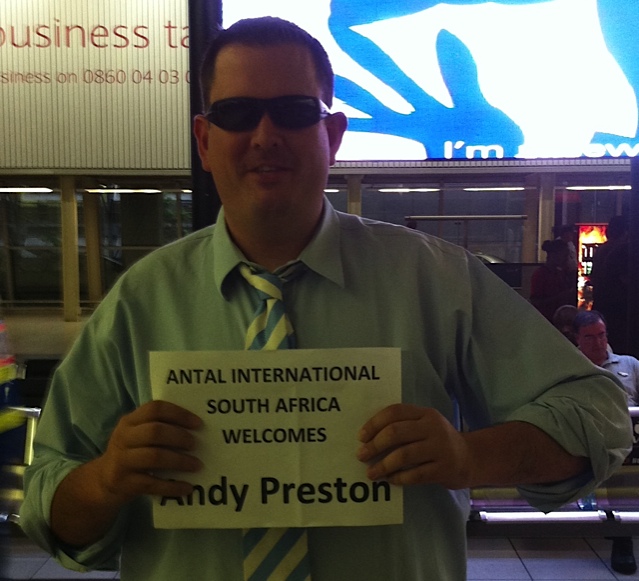
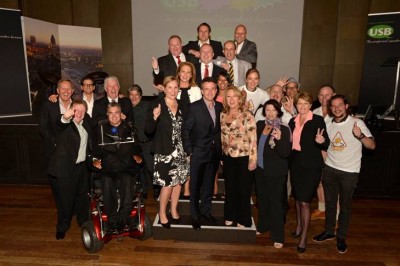
January saw Andy Preston travel to South Africa for the first time. Starting off his speaking tour in Johannesburg, Andy spoke to a recruitment client, as well as meeting with a financial services organisation and another recruitment company interested in working together to improve their sales.

Speaking Event in Melrose Arch!

Another highlight of Andy’s stay in Johannesburg was speaking at a prestigious event in Melrose Arch, alongside the cream of South African and International Speaking talent. This was set in an impressive venue, with an audience of over 400 people – from some of the largest organisations in South Africa – many of whom had travelled from all over the country, just for that event!

Continuing The Tour In Cape Town!

Andy continued his tour with a few days in Cape Town, working with an existing client to help them get more business off their competition. Whilst in Cape Town, Andy found time to do some cage diving with sharks (more of that in a separate blog), ziplining down mountains and seeing some of South Africa.

Of course, the highlight of any trip to Cape Town, is of course, Table Mountain!

Next Steps….

Andy is now planning further trips to South Africa in 2013, so if you’re in (or near) Cape Town, Durban or Johannesburg, get in touch with us now on +44 161 401 0142 to see if Andy can help you as well, while he’s in South Africa!


About The Author:

Andy Preston is a leading Sales Expert, Trainer and Motivational Speaker

You can get Andy’s free cold calling and sales tips HERE

This article is copyright Andy Preston 2013. To copy or syndicate this or any part of this article contact Andy Preston for guidelines. Media enquiries – details here
Oct 28

Sales Lessons From The Lance Armstrong Fiasco….

By Andy Preston | General Sales Tips

This article was originally written a dew months after Lance Armstrong was accused of using performance-enhacing drugs. The lessons are still valid, even though it’s now some time since that happened….

Well. It’s been an interesting few months for Lance Armstrong, hasn’t it?!! I must admit, when the United States Anti-Doping Agency (USADA) allegations started coming out a few months ago, as a Lance ‘fan’, I was quick to defend him – coming from a family affected by cancer as many are, I loved his book ‘it’s not about the bike’ and found his story inspirational, coming back from cancer twice to win the Tour De France 7 times.

I was even on his side when USADA tried to take him to court with the ‘evidence’ they had compiled, and his statement about him stopping resisting it anymore because of the impact on his family etc (see Lance’s statement here)

I could relate to him having had enough of ‘fighting’ allegations for years, the effect it had on his family, the fact that he’d never (allegedly) failed a drug test, etc etc.

But Then More Evidence Came Out….

The more ‘evidence’ that came out against Lance, the more I looked into it.

When I saw the statement and the evidence provided by USADA (see their evidence here) read that page, as well as their ‘reasoned decision pdf’ and the ‘appendices and supporting material’ (both tabs on the webpage above) and the fact that Nike and other sponsors looked into it and decided to drop their sponsorship – I started to change my mind.

In light of all that evidence against him, I now believe it was highly likely that Lance DID take performance enhancing drugs and use blood transfusions etc to gain a competitive advantage. It’s pretty hard to think otherwise when you see all that evidence.

I have heard some people still defending him, saying that ‘if they were ALL taking drugs, it was a level playing field, and he still won’. I understand that argument, but it’s not correct. A large number of riders, probably most of the participants, were doping – if the stories now coming out are to be believed.

But the race still wasn’t ‘fair’. It wasn’t about the skill of the rider. Their endurance. Their ability to ride through the pain barrier and still come out on top.

It appears now to have been about who was the most skilled at doping…. and not being caught.

That’s a shame, as at the very least it’s tainted what Lance had achieved and done for so many people.

So what sales lessons can we learn from this?

Sales Lesson No 1 – If You Make A Mistake – Put It Right, Fast!

The first Sales Lesson we can learn from this is that if you make a mistake, put it right fast! Most of the time, if you or your company make an error, the quicker you tell the customer and the quicker you put it right, the better it is for your reputation, your relationship, and your chance of repeat sales.

The more you procrastinate on a problem, hoping it will go away, the more damage you do to your own reputation, and your chances of more business from that particular client. In these days of social media, small problems can magnify quickly and spread a piece of bad news faster than previously possible – make sure you and your company don’t fall victim to this by sorting out customer problems and complaints quickly!

Sales Lesson No 2 – Selling Is All About EMOTION

It’s been interesting to watch both sides of this debate. And how much people have got stirred up by it. How much they’ve been strongly defending Lance, and others have been strongly opposing him and saying how much he’s let everyone down etc etc.

Ultimately this has stirred up emotions within people. And that’s what selling/buying does.

Good salespeople sell on emotion. They transfer emotions from themselves to the buyers in the sales process. You can hear over the phone when someone is confident…. certain……positive…… and when they’re not!

So, what emotions are you currently transferring to prospects in your sales process right now? Positive ones that are MORE likely to help them buy from you. Or ones like bored, tired and disinterested instead?

Sales Lesson No 3 – Focus On The 2%

A lot of people trying to defend Lance, talk about his taking of performance enhancing drugs and blood transfusions ‘not affecting performance that much’. That much is true. In fact in his New York Times article in August, a previous team-mate of Lance, Jonathan Vaughters stated that the difference all the doping made was only about 2%

2% in the Tour De France however is the difference between finishing around 100th place… and winning the thing! So that little 2% matters quite a lot!

So that got me thinking about Sales. What are YOUR 2% things that make the difference?

Is it making those extra calls you’ve been putting off? Working on your objection handling to make sure you don’t get ‘stumped’ by them? Working on having more of a ‘top performer’ mindset?

Think about what things would be the 2% things for you…. And those 2% things could make all the difference!

Sales Lesson No 4 – If You Cheat, You’re Cheating Yourself

We’ve all heard phrases like ‘cheats never prosper’ or ‘you’re only harming yourself’. But what does this actually mean for us in Sales terms?

In Sales, most people aren’t able to ‘cheat’ on a scale that Lance Armstrong has allegedly done. But what are the things that you do to ‘cheat’ yourself out of things?

Not preparing enough for Sales Meetings or important phone calls? Not striving to perform at your best a much of the time as possible (legally!). Not being ‘on your game’ as much as you could be? Not doing the extra things you know you ‘could’ do that would make a difference to your figures?

By taking ‘shortcuts’ or not doing the above, you’re just cheating yourself out of what you could achieve. And in the end, it affects you more than anyone else.

The more evidence I hear against him, the less impact Lance’s amazing feats (like this one) have on me.

And I’m left wondering what to do with the Livestrong band on my desk… and the montage of Lance Armstrong pictures on my wall. I just don’t have the same emotion about them anymore…..

Follow the tips above and watch your sales soar! I look forward to hearing how you get on……..

This article is copyright Andy Preston 2004-2017. To copy or syndicate this or any part of this article contact Andy Preston for guidelines.

Oct 25

Sales Failure 4!! Manchester United Selling Fail!!!

By Andy Preston | General Sales Tips


In the ‘Sales Failure!’ series, leading Sales Expert Andy Preston takes real-life examples of ineffective selling, and uses them as tools to learn how you can avoid the same mistakes, and what to do instead to improve your own sales results….

In this edition of ‘Sales Failure’ we take the example of Zoe from Manchester United (no point trying to change the names as it’s all over the press and websites already!).

Zoe attempted to ‘sell’ some premium executive seating via email recently, and the furious reaction her email received serves as a useful example to dissect her approach – and examine the lessons you can learn from it – in order to improve your own sales approaches and increase your sales!

Here’s an excerpt of the article in the Manchester Evening News…

Manchester United have been forced to issue an embarrassing apology after they offered sought-after derby tickets as a sweetener to potential corporate clients.

The Reds contacted would-be customers via email and told them that if they paid upwards of £1,539 for posh seats and executive boxes at Old Trafford for the rest of the season, they would receive two tickets for the clash with City at the Etihad Stadium in December.

Derby tickets are hugely desirable. Around 2,600 were allocated to the Reds last season – there were 20,000 applicants – and the incentive has prompted a furious reaction from supporters.

But the club said although the offer was discussed, it was subsequently scrapped and should not have been sent out to potential new customers. The tickets that would have been used would have come from the staff allocation, club bosses added.

The offer was emailed out by business development executive Zoe Beckett.

But when news of the offer spread, she was contacted by a number of furious Reds. Several of them wrote to Ms Beckett who issued the apology.

Zoe had to apologise…

In response to one she wrote: “Firstly please accept my apologies as I understand that this has caused offence. We were given a very small handful of tickets as an incentive to gain new business as we are further into the season. I do understand that you are long-standing supporters of the club and we do appreciate your support throughout the years. I will speak to my manager about this matter.”

Replying to another, she wrote: “We had two pairs (of tickets) available. However, they were released from another department and not from the executive club allocation. I am really sorry and I understand why you are frustrated… I can promise that it won’t happen again.”

Dale Haslam, editor of fans’ website Reds Away, said: “The club has a policy which states only executive members, season ticket holders and players can gain access to away tickets and this shocking marketing move flies in the face of that.

“Some fans pay around £1,200 a year just to be able to apply for away games and yet do not get a single away ticket for the entire season. And yet in this case, a high roller would have been able to pay about £2,000 for an executive package and stroll into the City game – the most-wanted ticket of the season – without even having to apply.”

Okay, so let’s dissect Zoe’s approach…

Now, aside from the fact that she’s tried to start her ‘sales relationship’ by ‘Selling By Email’ – a MAJOR error in my opinion as I write in my ‘Selling By Email – 5 Mistakes’ article!

Let’s look at where Zoe went wrong, and what ‘Sales Lessons’ we can learn from her poor sales approach….

Sales Failure Lesson No 1 – Don’t Use Email To Try To ‘Sell’ or ‘Persuade’

Email is a communication tool designed to inform or notify the recipient of information that they need. It is not persuasive – if it was, salespeople would just send their PowerPoint presentation to a prospect – without ever meeting them – and then win the business!

Yet you won’t find many Salespeople doing that! That’s because it’s lazy, ineffective and often causes problems like in this instance – with Manchester United.

Sales Failure Lesson No 2 – Don’t Make Them an Offer BEFORE Qualifying the Prospect

Another mistake salespeople make is not qualifying the prospect BEFORE making their offer. Therefore, they have no idea how they (or their offer) are seen by the potential buyer.

Making an offer without qualifying the prospect is like turning up for a first date, talking about yourself all night, taking no interest in the other person whatsoever, and then wondering why the other person doesn’t call you back about a second date!!

Don’t fall foul of this – make sure you qualify your prospects properly first and make offers that are likely to be accepted by them!

Sales Failure Lesson No 3 – Stop Using Email To ‘Initiate’ Your Sales Process!

A large number of salespeople use email to start their sales process! Often that’s the WORST place to use it!

Anything you put in writing to a client ‘can and potentially will be used against you’ as the saying goes. Its far better to make offers verbally over the phone or face to face to gauge the prospect’s reaction to your offer (or sales incentive), tweak it where necessary, then email to confirm what has already been agreed.

This avoids all the problems that Manchester United have encountered in this circumstance!

So, make sure you use email to CONFIRM what’s already been agreed, not to initiate your sales process.

Follow the tips above and watch your sales soar! I look forward to hearing how you get on……..


This article is copyright Andy Preston 2004-2017. To copy or syndicate this or any part of this article contact Andy Preston for guidelines.

Oct 18

Sales Lessons From The Mercedes Benz Factory

By Andy Preston | General Sales Tips


In this article, leading sales expert Andy Preston talks about the sales lessons you can learn from the Mercedes Benz factory….…..

On a prior trip over to the Mercedes Benz factory in Bremen, Germany to collect a new Mercedes, I noticed a number of things that would be useful ‘sales lessons’ for us all to be aware of. Read the article in full and improve your sales figures (and those of your team) by putting the lessons into practice!

Sales Lesson Number 1 – Work The Process

On the factory tour itself, it was fascinating to find out that the whole factory operates on a ‘conveyor’ system, at different levels. Everything is timed and they know how long each procedure should take before the cars move onto the next ‘station’. Should they fall a few cars behind schedule however, it’s not as if you can get a few people to come in on a saturday to ‘catch up’ – the entire factory has to be there as everything relies on small jobs on each station before moving on the next one!

The sales lessons we can take from this is to think about our own prospecting ‘process’. In order for it to work as effectively as possible, it needs to be consistent, not stop-start! One of the biggest traps salespeople fall into is only prospecting when they’re quiet – yet only prospecting on a consistent basis will being consistent sales figures!

Otherwise we leave ourselves open to the ‘sales roller coaster’ effect – our sales figures alternative between good and plain awful because we don’t keep prospecting when we’re busy!

Andy’s Sales Tip Number 2 – Focus On The ‘Handover’

The ‘handover’ is a key part of the process in sales, just as much as it is in the car business! Think about the ‘handover’ you and your company may have to do at the moment. It might be a handover between colleagues, such as a salesperson and a project manager, or a salesperson and an account manager for example. It might even be a ‘handover’ form the salesperson to the customer, or a delivery person to the customer. Whatever is the case, it’s a vital part of the process – and also an area where a lot can go wrong!

The ‘smoothness’ of the handover counts for a lot – and is often the part when things go wrong! Whether it’s the salesperson not preparing the account manager or project manager properly, or not managing the customer ‘experience’ well, this part usually needs more focus than most people tend to give it!

Mercedes excel at this part. A specially created coffee lounge where all the new owners sit and their cars are driven into the ‘handover’ part of the showroom, everything is checked and you’re given a ‘tour’ of your new car and what it can do.

Andy’s Sales Tip Number 3 – Do Something ‘Extra’ They Don’t Expect

Lots of people talk about ‘adding value’ to their customers. Lots of companies bang on about their ‘value proposition’ and how they excel at customer service. Yet most miss the opportunity to create even more buyer-loyalty by failing to ‘wow’ them with a simple gesture!

Doing something ‘extra’ that they don’t expect – yet you know will be viewed as valuable to the customer – is one of the best ways of creating more enthusiastic and loyal customers, and more importantly, generating a stream of referrals! Yet most people still don’t do it!

For Mercedes it was simple. Providing a map of sights and visitor attractions for a few miles around the factory was useful, as was the customer service staff member casually mentioning that because they knew I had a long drive back to the UK, they’d made sure my new Mercedes had a full tank of petrol at no extra charge!

Now, am I naive enough to think that they ‘only’ did that for me? No. Am I daft enough to imagine it was something special they dreamed up on the spot? No again. But did it create loyalty, gratitude and a great impression nonetheless? Of course!
So how can you create that yourself in your sales process?….

Andy’s Sales Tip Number 4 – Follow Up Swiftly After They’ve Bought

One of the most critical parts of the sales process is what happens just AFTER the new client has purchased from you!

This is an area that most salespeople neglect, as often they’re not involved once the customer has bought, or have moved on to other prospects! Some time taken here to speak to the new customer can help avoid buyers remorse, solve any difficult issues, and also be a good time to ask for referrals and testimonials!

It also creates the impression that you care about more than just getting the ‘sale’, and therefore deepens the salesperson/customer relationship – and that’s never a bad thing for business going forwards!

Mercedes excel in this area. Not only is the salesperson in touch a few days after you getting/taking delivery of your new vehicle to see how things are going, but they also have an independent customer survey call afterwards to see how they performed!

Now I’m not saying that you have to go to those lengths, but if you or your colleagues put in a call swiftly after your customers have purchased from you, would that help your sales figures going forwards? You’re damn right it would!

Follow the tips above and watch your performance and that of your sales team soar!  I look forward to hearing about your future success…. 

This article is copyright Andy Preston 2004-2019. To copy or syndicate this or any part of this article contact Andy Preston for guidelines.

Sep 30

Sales Lessons From The Ryder Cup 2012

By Andy Preston | General Sales Tips


In this article, leading sales expert Andy Preston explains the ‘sales lessons’ we can all learn from Europe’s recent victory over the USA in the Ryder Cup….

Wow! What a weekend that was! The USA starting out by taking control and building a big lead going into the final day….. only for Europe to stage the biggest comeback in the history of the Ryder Cup to record their victory in the very last match on the last day!

So what ‘Sales Lessons’ can we learn from Europe’s victory?….

Andy’s Sales Lesson Number 1 – Set The ‘Course’ Up To Win

The American Captain, Davis Love III was very clever in having all the rough cut just prior to the tournament, so that the course favoured the big-hitting (but slightly wayward) Team USA.

So what can you do to give yourself (or your team) a ‘sales advantage?’ This might be as simple as doing some research on your prospect’s company before meeting with them (or a telephone call), or perhaps even some research on the individual themselves in order to give yourself a better chance of building rapper faster?

It might be as simple as finding out as much information as toucan about a prospect’s ‘position’ prior to a negotiation.

It could even be as simple as making sure you and your team are in the right mindset before you start your sales calls for the day?

So what are you currently doing to make sure you’re setting up your ‘course’ up to win?…..

Andy’s Sales Lesson Number 2 – Generate Determination From Situations Of Adversity

A great example of this was Europe’s ‘leader’ of this Ryder Cup, Ian Poulter.

Now ‘Poults’ might not be the most naturally gifted golfer in the world, but you definitely want him on your team when the Ryder Cup comes around!

One of Ian’s great strengths is his ability to generate determination from adversity. At one stage Europe were down 10-4 on the Saturday afternoon, yet inspired by Poulter birdie-ing his last 5 holes for a win (plus overcoming a 2-hole deficit in the singles), plus his encouragement to other European players, Europe actually rallied to win the next 10 & 1/2 points out of a possible 14 to record their victory! Unheard of before in Ryder Cup golf!

In Sales, there are plenty of situations of ‘adversity’. Like when you and your team are struggling with prospecting, or your ‘new business’ activities aren’t going well?

Or perhaps when you keep getting objection after objection from clients?

Or perhaps when your sales figures have been low recently, and you’re struggling to turn it around?

So in these situations of ‘adversity’, do they make you and your team more determined? Or more depressed right now?…..

Andy’s Sales Lesson Number 3 – Perform Under Pressure

Martin Kaymer is a previous PGA winner and also ex-number one in the world. Yet he’s been having a disastrous few months, having qualified for the European team on his previous performances, not his recent ones!

His firm has been woeful coming into the Ryder Cup tournament, so who does it come down to have a put on the final green to ensure Team USA didn’t win? Yep, it was Martin!

In Sales, like in sport, it’s vital that you can perform under pressure. In the critical moments when the pressure is on, can you and your team perform?

Like Martin Kaymer, you need to be able to ‘hole the putt’ when you’re called upon. You need to be able to produce the result when you’re under pressure. You need to be able to demonstrate you can rise above it and still bring the business in.

So how do you and your team perform in pressure situations? When facing strong objections from a prospect? When facing strong complaints from a customer that is threatening to go elsewhere? When you’re a way behind target and you have to make the difference up?

One of the major differences between average performers and top performers in Sales is how they perform when the pressure is on. How do you and your team currently measure up?

Andy’s Sales Lesson Number 4 – Don’t Count Your Chickens….

Now I’m sure that you’ve heard the saying before ‘Don’t count your chickens before they’re hatched’. However in Team USA, and even in some sections of the American Press, this saying wasn’t followed!

This happens in sales as well! How many salespeople do you know that have ‘counted’ on a deal coming in, even before it has been confirmed? Some of those salespeople have even spent their commission from the deal, only to find out shortly afterwards they weren’t getting any as the deal fell apart!

How many salespeople look at their sales pipeline and think ‘oh that will come in…and that will come in… so I’ll be okay…. I have enough to hit my target’ – only for some of those deals to drop out at the last minute, or drag over to the following month, meaning that the salesperson then misses target?

This happens a lot. Far too much in my opinion. Complacency or ‘easing up’ is one of the biggest enemies of salespeople, and one of the biggest reasons for salespeople not hitting target on a consistent basis!

How many of your team might be guilty of that right now?……

Follow the tips above and watch your performance and that of your sales team soar!  I look forward to hearing about your future success…. 

This article is copyright Andy Preston 2004-2017. To copy or syndicate this or any part of this article contact Andy Preston for guidelines.

Aug 05

Sales Lessons From An Art Fair…..

By Andy Preston | General Sales Tips

In this article, leading Sales Expert Andy Preston explains what sales lessons we all can learn from an art fair……..and what we can do differently to dramatically improve our sales results…..

This month’s article came from a sponsored ‘art fair’ lunch I was invited to by my accountant. The fair was held by a client of theirs, so was a nice way of supporting their client, and also saying ‘thank you’ to some of their other clients as well.

It was interesting as we went around the exhibition and interacted with the artists, curators and exhibitors how many lessons a salesperson or business owner could learn from their ‘sales’ techniques (both good and bad!).

So, here are the ‘sales lessons’ from an art fair…

Andy’s Sales Lesson Number 1 – Sell With Passion And Enthusiasm


This is a big lesson for most salespeople and business owners, and is something that artists and curators of their work have in abundance! If you’re looking to persuade someone and get them excited about your product or service, you’ve got to talk about it with passion and enthusiasm yourself first!

Business owners in particular have no excuse here, as if they can’t be passionate and enthusiastic about their own business, how on earth can they expect anyone else to be! In a market where it seems there is bad news on a continuous basis, the people that are passionate, enthusiastic and positive stand out. You do want to stand out from your competition, don’t you?

If a salesperson or a business owner isn’t passionate and enthusiastic about their product or service, it shows in the way they talk about it, their presentations, their demonstrations, their objection handling and their closing ratios. Why on earth would you take a gamble on all of that, when you can change it really easily?

Andy’s Sales Lesson Number 2 – Qualify Your Prospects

This happened almost every time we interacted with someone exhibiting at the fair, and you’d be surprised how many salespeople and business owners make the same mistake.

In one particular case, our group were given a ‘speech’ by a salesperson from an insurance company, specialising in insuring art. Now I wouldn’t class myself as a connoisseur of art, very much a novice who falls into the category of ‘I don’t know much about art, but I know what I like’ category. From speaking to them, the majority of our group fell into that same category.

So what would have been a good idea for that salesperson to do at the start of the talk? Talk to the organiser of the trip, or the leader of the group to find out about us beforehand? At the start of her talk, ask the group what their experience of art or art-buying was? Find out how many of the group were collectors, amateurs or people very new to the art world? All of those would be good ideas, wouldn’t they?

However, she chose not to do any of them! Instead, we just got a big speech about the insurance company and how they could help us insure the art we purchased, or already had. And that got me thinking – how many salespeople and business owners often make the same mistake? A lot!

If you fail to qualify your prospects (or your audience) before you start your speech (or sales pitch) then you run the risk of ‘losing’ them as they don’t see your speech as relevant to them. A little time invested beforehand (or at the start of your speech) pays big dividends in sales results later….

Andy’s Sales Lesson Number 3 – Don’t Apologise!

This is something I see a lot of, particularly from people who are struggling or under pressure, someone new to sales, or someone who doesn’t consider themselves a ‘natural’ salesperson.

Far too many sales calls or presentations start with the salesperson or business owner apologising! This is normally down to nerves, or not feeling comfortable, although I’ve heard some trainers teach it as a ‘technique’. What a scary thought! Their idea is that by apologising, you get the audience or prospect on your side. That idea is….quite frankly…ridiculous.

The true impact that has is make the prospect or audience think ‘this person doesn’t know what they’re doing’, ‘oh god, here we go again, another boring pitch’ or for some people – ‘give me someone with authority and credibility, and get this idiot out of here!’

I was looking at one exhibition stand with some very nice photographs of New York, when the artist concerned engaged myself and my accountant in conversation. He was an interesting guy, and after asking about our experience of art and photography and why we came to the exhibition (see sales lesson number 2 above), was telling us the history behind some of the photographs we were looking at.

Sales Mistake Coming Up!

Just at the moment where we were becoming more interested he suddenly got uncomfortable, apologised for being pushy and said he’d leave us alone to have a look, then walked away. HUGE sales error!

This happens a lot with people new to sales, under pressure or not feeling like they’re a ‘natural’ salesperson – they’re afraid of being pushy! Let’s make a distinction here – the only time you’re being ‘pushy’ is when you haven’t taken your prospects needs into account, and you’re trying to ‘push’ something on them they don’t want. That’s probably happened to you in the past, so you don’t want to be seen to do it to others. Invest a little time in speaking to your prospects and finding out their needs first, then it won’t be a problem for you.

Andy’s Sales Lesson Number 4 – Remember Your Objective!

This is something that was missing from everyone at the art fair, and something that many business owners and salespeople miss too. You need to keep your objective in mind at all times, and make sure you’ve achieved it (or as close to it as possible) by the end of the conversation.

If your objective is to close for the sale – then make sure you’ve asked some questions during the conversation that will give you enough value to be able to close afterwards. If your objective is to make an appointment with your prospect, then make sure you’ve put enough value into the conversation for them to put time in their diary and meet you (and not talked too much about your product or service before the meeting of course!).

If your objective is to come back for a further meeting, demonstration or conference call/WebEx, then make sure you’ve booked that before you put the phone down or left the meeting – it will be a lot harder to do afterwards!

Follow the tips above and watch your sales soar! I look forward to hearing how you get on……..

This article is copyright Andy Preston 2004-2019. To copy or syndicate this or any part of this article contact Andy Preston for guidelines.

Jun 29

Sales Managers – Incentivising Your Team – What Are The Pitfalls and Potential Successes?

By Andy Preston | Sales Management

In this article, leading Sales Expert Andy Preston explains the pitfalls associated with trying to ‘motivate’ employees, and the potential successes you can achieve ….. if you get it right!


The “How can I best incentivise my staff so I get better performance from them?” question is an interesting one. Because of the wide range of businesses that I work with, the staff concerned could range from serious under-performers, through to average performers, right up to top-performers – who the managers are very happy with in terms of achieving targets, but just want more from them!

There are a number of benefits of introducing or using incentives but they have to be considered carefully, as introducing the wrong thing at the wrong time could actually have the opposite effect, demotivate the team and actually reduce performance against targets set. If you’re in the situation where you’re wondering about introducing incentives the following may help….

Andy’s Question No 1 – What behaviour are you trying to encourage?

Do you want increased activity? Increased financial figures? Improvement in morale? The team to work better as a “unit”?

Depending on what you are looking for, you need to design any kind of incentive system around it.  In order words, you need to think about your desired behaviour FIRST, then think about the incentive.

Andy’s Question No 2 – Do you have the team’s “buy-in”?

Will all the team be motivated to achieve what you want, based on the incentives you’ve offered? Do they actually want to win it? For example, in a typical sales team the “standard” is to award high performance over a year in terms of sales achieved.

If however, the prize can only be won by one person (usual examples are a car for a period of time, or a holiday etc) then if 6 months into the year if one person is way ahead of the rest, then it may result in the rest of the team “giving up” on the incentive and actually demotivating them and reducing their activity and performance levels. The same is true if (when the incentive is announced) certain team members don’t believe they can win it, or that it is already biased in favour of a particular salesperson.

Andy’s Question No 3 – How are you planning to track, monitor and enforce it?

Most incentives are introduced without much thought (beyond the basics) of how to monitor and enforce it. However we know salespeople are creative people and if they can find a way around it or a loophole, believe me thay’ll find it!

Every eventually has to be thought about before introducing the incentive and how it will be tracked, monitored and enforced at every step of the way. Most important of all, the incentive must be simple and the process easy to understand so as to avoid confusion.

Andy’s Question No 4 – How long is the incentive period for?

As a general rule of thumb, the longer the incentive period is, the less impact it has. For any incentive period longer than a month, be prepared for having to work hard to keep the team focused and motivated towards it. Salespeople generally tend to be attracted to the “latest thing” and keeping their attention on a long, drawn-out incentive period can be challenging.

Andy’s Question No 5 – What size of incentive are you offering?

Again, a general rule of thumb is the longer the period, the bigger the offering, and the bigger the increase in performance, the bigger the offering! However, don’t think you have to have a huge incentive to get people motivated, quite the reverse can sometimes be the case! As we move more and more to a younger and more flexible workforce, the more the “old school” motivater of “money” has less and less impact.

Some of my clients have been seeing big increases in performance from incentives like leaving the office early, a small prize for top appointment maker of the week (with the prize having been on the desk from the Monday – always good as a “reminder”), team incentives like foreign days away (great value from using some of the cheap flight deals). Now these might seem like small things compared to the traditional incentive schemes, but as people and their motivation habits change, we have to change with them, or risk being left behind by those who do.

Follow the tips above and watch your sales soar! I look forward to hearing how you get on……..

If you’re a sales manager that would like help with any of the above, or to know more about what we can offer to help you and your team tackle the above problems, call me directly on +44 (0)161 401 0142, or contact us here and we’ll happily talk through some ideas that will help…


This article is copyright Andy Preston 2004-2017. To copy or syndicate this or any part of this article contact Andy Preston for guidelines.

May 27

Can You Ever Be ‘Too Expensive?’

By Andy Preston | General Sales Tips


In this article, leading sales expert Andy Preston talks about the objection ‘you’re too expensive’….…..

I recently noticed a fellow professional speaker post on his Facebook page that a potential client had told him that the fee he wanted to charge them to speak was ‘too expensive’. He went on to say he was a bit surprised, as he doesn’t normally get that kind of reaction!

Now I know this particular speaker pretty well, and I know that he’s good value for money, but what was most interesting was one of the responses to his post! The person who commented wrote ‘You can’t be too expensive. And you’re value for money. They must have cash flow issues!’

Now whilst I would agree the speaker concerned IS most certainly value for money, there are 4 quick things we can learn from the other person’s comment…..

Andy’s Sales Tip Number 1 – People’s Beliefs ARE Reality – To THEM!

The problem I see here is that I think you CAN be too expensive!! One of my favourite sayings when it comes to sales (and pricing in particular) is that ‘people’s beliefs ARE reality – to them!’.

What I mean by that in this example is that if someone says ‘that’s too expensive‘ it may be that in the moment they DO consider you too expensive – as long as it’s not a negotiation tactic to bring your price down of course!

Now of course there will be some context behind them saying that. They might think it’s too expensive compared to their budget. They might think it’s too expensive compared to what they’ve paid in the past. They might think it’s too expensive compared to what they were expecting to pay.

However, unless you deal with the fact that right now, they consider you too expensive – it’s unlikely you’re going to be able to win this deal, and bring them on board as a customer. Fail to change their belief (and therefore THEIR reality), and you’ll fail to pick up their business!

Andy’s Sales Tip Number 2 – It’s Not Their Fault – It’s Yours!

If someone says to you that you’re ‘too expensive’, make sure you don’t dismiss them (and the sales opportunity) too quickly! As an ex-sales director, I often used to hear my team come back from new business appointments with excuses like ‘they weren’t ready to buy‘, ‘they didn’t have the budget‘, and ‘our price was too rich for them‘.

My response was usually something like ‘Ahh, so you failed to deal with their price concern then?‘ 😉

My belief is that the majority of the time, a price concern (or price objection) is normally the salesperson’s fault, not the prospect’s.

– It might be that…. the prospect doesn’t see enough value in your offering to think it worthwhile paying the price you asked for – YOUR FAULT for not positioning your value to them correctly!

– It might be that…. the prospect doesn’t have the budget to pay the price you want – YOUR FAULT for not finding that out, or speaking to the person who can make a NEW budget!

– It might be that…. the prospect has bought a similar product/service in the past and not paid anything like the price you want to charge them now – YOUR FAULT for not finding out their buying history and positioning correctly against it!

– It might be that…. the prospect won’t get enough value from your offering, in order to generate enough ROI to justify the purchase – YOUR FAULT for not qualifying the Sales Opportunity well enough in the first place!

How many of the above are you and your team guilty of right now? Stop putting the ‘blame’ for price concerns on the client, and see what you and your team could do to handle them better!

Andy’s Sales Tip Number 3 – Find Out – Or Set – Their Expectations

One of the biggest reasons people get price objections, is that the price they want to charge isn’t what the prospect was expecting to pay!

Thinking BusinessmanThis often occurs when the salesperson fails to find out, manage, or on some occasions – set – the price expectations of the prospect.

In the old days, Sales Managers used to lecture their reps ‘make sure you get the customer’s budget BEFORE talking about price!‘

Whilst back then that was pretty solid sales advice, these days people don’t always have budgets. They don’t always have cash available right now. But they ALWAYS have price expectations – and if you don’t find out what they are, re-set them if necessary – or even set them in some circumstances – then you’re always going to struggle with objections to your price!

How well do you and your team set prospects’ price expectations currently?

Andy’s Sales Tip Number 4 – Qualify Harder Early In The Process

Another reason I find that salespeople come up against price objections is that often they’re sat in front of (or speaking to) the wrong people! People that may not have the money to be able to pay the price the salesperson wants to charge, or have the authority (and ability) to find extra money if necessary!

This is usually caused by a failure to qualify well enough (or hard enough) earlier in the process! Then often results in the salesperson spending lots of their precious time dealing with people that aren’t able to buy what they offer at the price they want to charge!

Often this leads to the salesperson becoming frustrated, having to ‘walk away’ from deals, or heavily ‘discounting’ just to win the business – none of which are good outcomes for the salesperson!

How well do you and your sales team qualify your opportunities right now? Check by reading my article on ‘7 Things You MUST Do Before Sending A Proposal’

Follow the tips above and watch your performance and that of your sales team soar!  I look forward to hearing about your future success…. 

You can ask any questions about this article or sales in general, by contacting Andy here


About The Author:

Andy Preston is a leading Sales Expert, Trainer and Motivational Speaker

You can get Andy’s free cold calling and sales tips HERE

This article is copyright Andy Preston 2010. To copy or syndicate this or any part of this article contact Andy Preston for guidelines. Media enquiries – details here

Apr 28

Sales Failure 3!! Viv tries to sell her Hotel and Venue services …. and fails!!

By Andy Preston | General Sales Tips


In the ‘Sales Failure!’ series, leading Sales Expert Andy Preston takes real-life examples of ineffective selling, and uses them as tools to learn how you can avoid the same mistakes, and what to do instead to improve your own sales results….

In this edition of ‘Sales Failure’ we take the example of Viv (real name withheld to protect the ‘guilty party’ from further embarrassment).

Viv attempted to ‘sell’ me her Hotel and Venue over email recently, and this serves as a useful example to dissect her approach, and examine the lessons you can learn from it, in order to improve your own sales approaches and increase your sales!

So first of all, let’s take a look at Viv’s email ….

‘I apologise if you have received this more than once. My name is Viv (surname withheld) and I am the Director of Sales at (venue name withheld). I am just wondering whether you use hotels for conferencing, events, team building, awards ceremonies, dinner dances or Christmas Parties and if you are the right person whether it would be possible for me to come out and see you in May/ June to discuss future opportunities for (venue name withheld). If you are not the right person for this could you please put me in contact with the right person so I am then able to discuss this with them. If you are the right person to speak to then this is fantastic and I hope we can start by getting an appt in the diary to discuss future opportunities and how we can work together. I have attached our Conference and events Brochure as well for you so you can see what fantastic facilities we have at the hotel as well. I would be grateful if you could come back to me so I can make sure I have the right person and update my database.

Kind regards

Viv (surname withheld) / Director of Sales (venue name withheld)
Part of the (group name withheld) Group

Okay, so let’s dissect Viv’s approach….

Now, aside from the fact that she’s tried to start her ‘sales relationship’ with my by ‘Selling By Email’ – a MAJOR error in my opinion as I write in my ‘Selling By Email – 5 Mistakes’ article, let’s look at where Viv went wrong, and what ‘Sales Lessons’ we can learn from her approach….

Sales Failure Lesson No 1 – Don’t Start With An Apology!

Here’s where Viv fails….. she starts off her email with ‘I apologise if you have received this more than once…‘

Now, not only is this a personal ‘bugbear’ of mine, but it’s sales stupidity to start off an email like this with an apology! First of all, how likely is it that people have received it more than once?!! And why on earth would you seek to highlight that in the FIRST LINE of your email?!!!

Viv’s all important, opening line to her email might have well said something like this ‘I’m sorry if you’ve received this more than once – because if you have, we’ve probably got your email address on our database more than once and we’re not savvy enough/nobody here can be bothered to go through and check for duplicates, so apologies in advance for spamming you……..‘

This is meant to be a credible, professional sales approach, and already there is a problem with Viv’s ‘call positioning’ – similar to if she’d said ‘sorry to bother you, but….‘ or ‘i know you’re really busy but….‘ on a phone call, for example.

This kind of approach to senior decision makers, implies that the sender is anything BUT credible and professional – and is probably new and inexperienced – exactly the things that would put someone OFF buying, rather than making them more likely to buy!

If you’re currently guilty of apologising at the start of your emails or phone calls, stop it! Now!

Sales Failure Lesson No 2 – Don’t Mix Your ‘Outcomes’

Here’s where Viv fails….. she tries to qualify if the recipient is the right person, and close for a meeting in the same email/sales approach!…’

Whether your sales approach is a phone call or an email (and I’m sure you know which I favour by now!), you should have a clear purpose/intent for that sales approach BEFORE you send the email/pick up the phone.

In this example Viv ‘muddies’ two outcomes – a data cleanse/qualification, and trying to close for an appointment.

Now, putting aside the fact that it can be difficult for most people to make appointments via email, the reason that this is a bad idea is that if the email reaches a senior decision maker, the ‘cleansing’ approach will irritate them! Think for a moment how annoyed you get when someone calls you and starts the call off with their first words being ‘would you mind helping me whilst I update our database?…‘ An email approach has the same impact.

And also, trying to close for an appointment in the first email contact?!! Really?!! That sounds like a whole article on its own 😉

Sales Failure Lesson No 3 – Lack Of Personalisation!

Here’s where Viv fails….. she blatantly has sent a ‘blanket’ email…’

Nowhere in Viv’s email has there been ANY effort to personalise the communication. No name or greeting at the top of the email, nothing in the ‘body’ of the email to indicate a specific interest – nothing!

Her email looks just like what it is – a mass, generic communication to probably the whole database, saying the same thing. What kind of impact does that have on the recipient do you think?

What happens if the recipient is someone who’s spent £5,000, £50,000 or even £500,000 with that particular venue in the past? How valued are they feeling as a customer when they receive that? What happens if they were considering that venue for an event or Christmas Party that year? Could this kind of approach on it’s own make them re-consider their thinking? Of course it could!

Clever salespeople make their customers feel special. They make them feel valued. They make them feel like their custom is appreciated. Does this email approach achieve any of that? In fact it achieves quite the opposite!

Sales Failure Lesson No 4 – Stop Being So Lazy!!

Here’s where Viv fails….. she tries to get me to do her work for her!!…’

In Viv’s email, she asks – ‘If you are not the right person for this could you please put me in contact with the right person so I am then able to discuss this with them’.

She might as well have said ‘Please could you do my job for me, because actually calling you up and ‘cleansing’ the database (as should be done) is too much effort for me, and a waste of my time, so if you wouldn’t mind doing it for me and then I don’t have to bother with such a menial, time-wasting task…because my time is FAR more important than yours…..thank you‘

I actually find it quite sad that the ‘quality’ of sales approaches decend to these sorts of levels. With my experience of working with (although it sometimes feels like ‘against’) the hotel/venue/hospitality industry it’s not that unusual, but still sad nonetheless!

What on earth happened to picking up the phone and actually being bothered to do a bit of data cleansing/research/opportunity spotting?!! Pathetic!

Follow the tips above and watch your sales soar! I look forward to hearing how you get on……..


About The Author:

Andy Preston is a leading Sales Expert, Trainer and Motivational Speaker

You can get Andy’s free cold calling and sales tips HERE

This article is copyright Andy Preston 2012. To copy or syndicate this or any part of this article contact Andy Preston for guidelines. Media enquiries – details here

1 … 7 8 9 10 11 … 15