Tag Archives for " Andy Preston "

Apr 08

Email Selling Mistakes….

By Andy Preston | Digital Selling

In this article, leading Sales Expert Andy Preston explains why most people struggle with ‘selling by email’ – they don’t understand it, they don’t know when to use it (and when not to) and they don’t know how to use it for best results.

After reading this article you’ll be able to utilise email to add value to your sales efforts – instead of hampering them – and get your sales figures back where they belong!……..

When I working with sales teams all over the world, Sales Managers and Directors often tell me that they believe all salespeople are inherently lazy. I’m not sure I agree with that hugely sweeping statement, but I do think salespeople often look for the quickest way to do something!

I think this is partly down to the fact that a lot of salespeople only start earning real money when their commission kicks in, so any task that isn’t directly related to bringing in new customers, orders or money, they tend to try and find the quickest way to do! Hence why the managers think they’re lazy.

As salespeople though, this ‘quickest route’ habit can often cause us problems! Particularly as technology has advanced and email is a popular communication method for many. However, this often results in salespeople resorting to email communication – at the expense of their own sales figures! Have a look at the examples of common email sales mistakes below, and see if any ring true for you……

Email Sales Mistake Number 1 – Using It To ‘Follow Up‘

Let’s look at this from a ‘new business’ perspective. You’ve spoken with (or met with) a client previously, you’ve started to develop rapport, but they’ve probably got an existing supplier, or existing way of doing things. So you didn’t pick up their business from your initial call or appointment.

Your boss has probably been putting pressure on you about your sales figures or your sales pipeline. So you decide you need to ‘follow up’ with a few people, this particular prospect included. So what do you do next? Pick up the phone and call them, establish their current situation and needs and potentially see how you may be able to add value to what they’re trying to achieve over the next few months? Close for another appointment, attempt to dislodge the existing supplier (or existing process) and pick up their business? Or send an email?

If you’re in the ’email’ category, stop it! Right now!

Email Sales Mistake Number 2 – Just ‘Adding‘ People To A Mailing List

Another great idea from the marketing department. Sending an email newsletter or similar to keep people ‘informed’ of your products and services. The funny thing is, how many newsletters do you get that you don’t read, or you don’t read in full? I bet it’s quite a few. If you don’t know the sender well, you probably don’t read it at all. Sometimes even when you know the sender well you still don’t read it!

Don’t sit back and think that just because someone is on your generic email list that that’s helping you ‘sell’ to that person. In most cases it isn’t. The responsibility to move that person through your sales pipeline is still yours!

Email Sales Mistake Number 3 – Sending Mainly ‘Flyers’ By Email

Please tell me you don’t do this? Even worse if the email is titled ‘offer of the month’ or similar! If the person hasn’t used you before, you’re relying on ‘luck’ for the person to buy from you. And the more competitive your marketplace and the higher the price of what you sell, the less likely people are to buy!

Plus as mentioned in my last point above, it’s hardly ‘personal’ communication to that prospect, is it? Is this really the professional sales job you were employed to do? If this is the best you can do in terms of ‘sales persuasion’, you’re in trouble!

Email Sales Mistake Number 4 – Responding To New Sales Enquiries Via Email

Let’s think about this one. You or your company has expended time, money and effort in producing the incoming sales lead. Whether it’s come from a previous phone call by you or a colleague, networking, advertising or over the internet, you’ve managed to get a precious incoming sales lead.

The next question is, what are you going to do about it? Pick up the phone and find an excuse to start a dialogue to understand their needs in more detail, positition a ‘next step’ in the sales process and look for some committment from that person. Or just send a quick email giving some information and leaving them to ‘wander’ on their own, with no idea how motivated they are to purchase, their timescales, or what other options they’re considering?

Looks like you’ve missed your chance again, doesn’t it? In most cases if they come back to you, it’s because when they enquired with your competition, they did a worse job than you did (hard to believe I know, but it could be true). Is this really the best way of dealing with that precious incoming sales lead do you think?!!

Email Sales Mistake Number 5 – Sending Proposals Or Quotes By Email

Now it’s time for my personal favourite! Sending proposals or quotes by email. You’re in field sales and you’ve had the meeting with a potential client ……the prospect then asks you to ‘send a proposal’……and you put it in an email. Really?!! Now you’re in trouble.

Why on earth didn’t you position your offering when you were face to face with the client? When you could read their body language and reactions to your offering (and your price) best….when you could judge whether you had got the proposal right or not?……when you had the best chance of getting them to say ‘yes’?

Even if you needed time to put the details together, why on earth didn’t you organise a second meeting to discuss it in more detail? Crazy! You’re giving other salespeople a better chance to win that business over you – why on earth would you want to do that?!!

Note – if you’re in internal sales or do most of your selling over the phone, it may not be practical to go out and see the prospect face-to-face, and if you can’t get them to come and see you, you’re almost ‘forced’ to send the proposal via email – however, you know when you do this it’s less persuasive.  As an ABSOLUTE MINIMUM you should have covered my ‘7 Things To Do BEFORE You Send A Proposal’ – otherwise I’m still going to be hard on you!!  Anyway, back to my ‘field sales’ example….

So Why Do Field Salespeople Send Quotes Or Proposals Via Email?


Normally field salespeople send quotes or proposals by email for a few reasons. The first reason is fear of rejection. It ‘hurts’ less to send it by email as at worst, they just send an email back saying ‘no thanks’ – much easier to deal with than them saying it to your face, isn’t it?

Or if they don’t reply to you (or send an email back saying they’re thinking about it) they haven’t really rejected you at all, have they? Can you see how that kind of thinking is holding you back from making more sales?!!

The second reason is laziness. You probably would say it’s because you’re busy, but it’s laziness. This is one of the most important parts of the sales process, and you’ve decided to email it because it’s ‘easier’! From an objective perspective, how stupid is that?!!

The third reason is because is ‘normally’ do it that way! Does that mean it’s the best way? Or even any good at all?!! Let’s think about this – it could be the most important part of the sales process, and you’re just sending it off into the ‘ether’ and hoping they’ll give you a positive response. Again – the more competitive the marketplace, the higher the price of your product/service and the longer the time elapsed from your initial conversation/meeting the less likely you are to get the business!

You can also ask any questions about this article or sales in general, by contacting Andy here

Follow the tips above and watch your sales soar! I look forward to hearing how you get on……..


This article is copyright Andy Preston 2004-2017. To copy or syndicate this or any part of this article contact Andy Preston for guidelines.

Mar 29

3 Classic ‘Follow Up’ Mistakes Most People Make With Their Sales Calls…..

By Andy Preston | Cold Calling

Here’s the challenge…..you’ve spoken to a potential client in the past, and now they’ve come up again in your “follow up” list….

Now, depending on the quality of your “follow up” call, the opportunity for you to do business can be won or lost at this point. Which puts a lot of pressure on you for this call, doesn’t it?

It won’t surprise you to learn that the majority of follow up calls that I hear made are fairly poor (and some are truly awful) so here are a few mistakes you need to avoid, in order to get more business from your calls.

Mistake Number 1 – Being Desperate And ‘Lying’

Now I know we’re in sales (or have to do sales as part of our role), and sometimes we may have to “bend the truth” a little on occasion, but I’m not sure that outright lying helps our cause as a professional, trying to build profitable business relationships.

An example of a call I heard made earlier this month went like this…….”Hello Mr X, we spoke 3 months ago and you asked me to call back today to make an appointment with you”.

Why was this so bad? Not only because the potential client hadn’t said anything of the sort, but also because the salesperson had never even spoken to the client before!

What could that potentially do to your credibility in the eyes of the potential client? And if you’re speaking to a decision maker with any level of authority, expect to be challenged on it quite strongly with something like “No we did not” or “I don’t remember that” – leading to either an argument or a rapid climb-down on your part – and probably the end of the call.

Now whilst the above statement by the salesperson is quite unusual, it does have a similar, more common “cousin” – the “Hi we spoke 3 months ago and you asked me to call you back today”. Usually said by salespeople who are desperate and don’t have a better opening “statement” or in their misguided belief that lying will help get them “rapport” with the decision maker – not likely!

Mistake Number 2 – Talking About Literature (Or Emails)

Be warned – many of you are going to cringe when you read this one! A lot of you are probably guilty of doing this, and this may be painful reading for those amongst you still doing it.

The biggest mistake I see most people make when they follow up literature or an email is when they say something like this……

“Hi Andy, it’s Fred from XYZ company, we recently sent you some literature…..I’m just calling up to make sure you received it…..”

No, No, No, No and No! This is truly awful, yet how many of the calls I hear made go something like that? That’s right, nearly all of them! And a large number of you make a similar call, don’t you? Go on, be honest!

Let’s think about this for a minute….what are the two most likely responses from a decision maker that you don’t have that much rapport with? Something like “No I didn’t, would you please go through the same rigmarole again, just for my amusement?” Or how about the other option….”Yes I did, and I’ve got all the information I need right now, thank you”.

Where on earth are you going to take the call now?

Even if you’ve sent literature and been lucky enough to get the decision maker to take the call (as a request for information can often be an objection – but more about that in another article) you run the risk of the call being very short, with another “call back” scheduled for a later point in time, but without having moved forwards with the prospect in any way.

Mistake Number 3 – Having Endless Call-Backs

This is another big mistake that many people make without even realising it! Far too many salespeople end their previous call badly (or without a defined outcome). What kind of impact do you think that has on the potential success of their next call? That’s right, a negative one!

How do you think this affects your attitude when the call comes up in your “call back” list? Might the fact you got nothing from the first call and the person won’t even remember you in some cases play on your mind a little?

Of course it might! Have you ever had a situation where you’ve gone down your list of prospects and thought….”I’ll ring that one……(miss a few out) then that one…..(miss a few out)…then that one?

If you’re like most people, of course you have! One of the reasons for this “cherrypicking” is that you know you got nothing from the call last time and you’re worried that the same will happen this time and you’ll “ruin” the prospect.

Also, because your attitude has been affected, might that affect your confidence in making the follow up call a little? Might you sound a bit less certain? A bit more timid? Less likely to handle objections well and give up too easily? You bet!

Are You Falling Into The Classic Trap?

Therefore, most follow up calls start something like this…..”Hello Mr X, we spoke about 3 months ago about you xyx and I was just calling to see how things are going for you at the moment”……

Awful, awful, awful! Let’s imagine you were the senior decision maker you were trying to reach with that statement (you were going for the person who makes the decisions, weren’t you?!!). What would you think of a call like that, that interrupted you doing whatever you were doing to take the call? That it has real importance and value for your business? Or that it’s pretty much a waste of your time, exactly like most of the other calls you receive on a day-to-day basis? My guess is for the second one 😉

Is it any wonder that the response decision makers give to that sort of opening is something like “Things are fine. What do you want?” Hmmmm. Now we’re under even more pressure, aren’t we? It’s pretty hard to rescue the call from here, unless you just happen to get lucky (which may happen on occasion).

So, if you’re about to do a follow up call session, or try and reach people you’ve spoken to in the past, make sure you don’t make any of the mistakes shown above and you’ll have far greater successes with your calls!

Follow the tips above and watch your sales soar! I look forward to hearing how you get on……..

This article is copyright Andy Preston 2004-2019. To copy or syndicate this or any part of this article contact Andy Preston for guidelines.

Feb 05

Thank You South Africa!

By Andy Preston | Andy Preston News

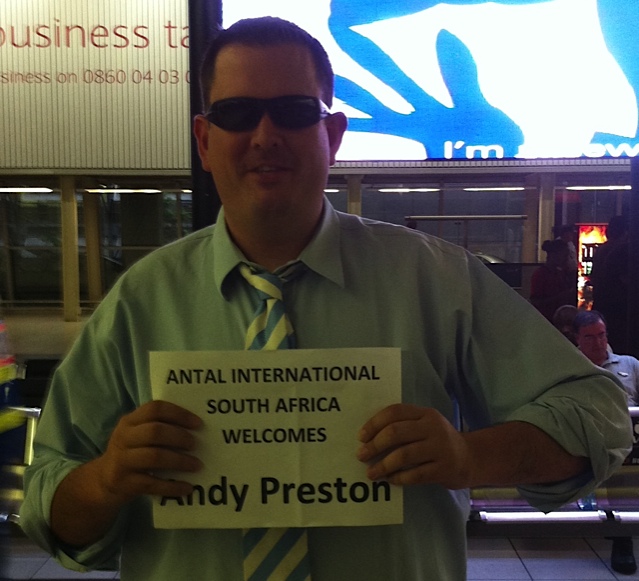
Another great trip to South Africa in September, was Andy’s 10th trip over there!

Andy will next be in South Africa at the end of October and also December, so if you’re interested in meeting Andy, or booking him to help your team increase sales, get in touch with us now on
+44 161 401 0142 to see if Andy can help you as well, while he’s in South Africa!

Having done a number of speaking tours, here are some of the highlights of Andy’s trips!

After landing in Johannesburg in the morning, Andy spoke to a group of Marketing Professionals, on the changing face of business, and how Marketing can work with Sales on increase the number and quality of the leads they’re giving to the sales team, and help them close them faster.

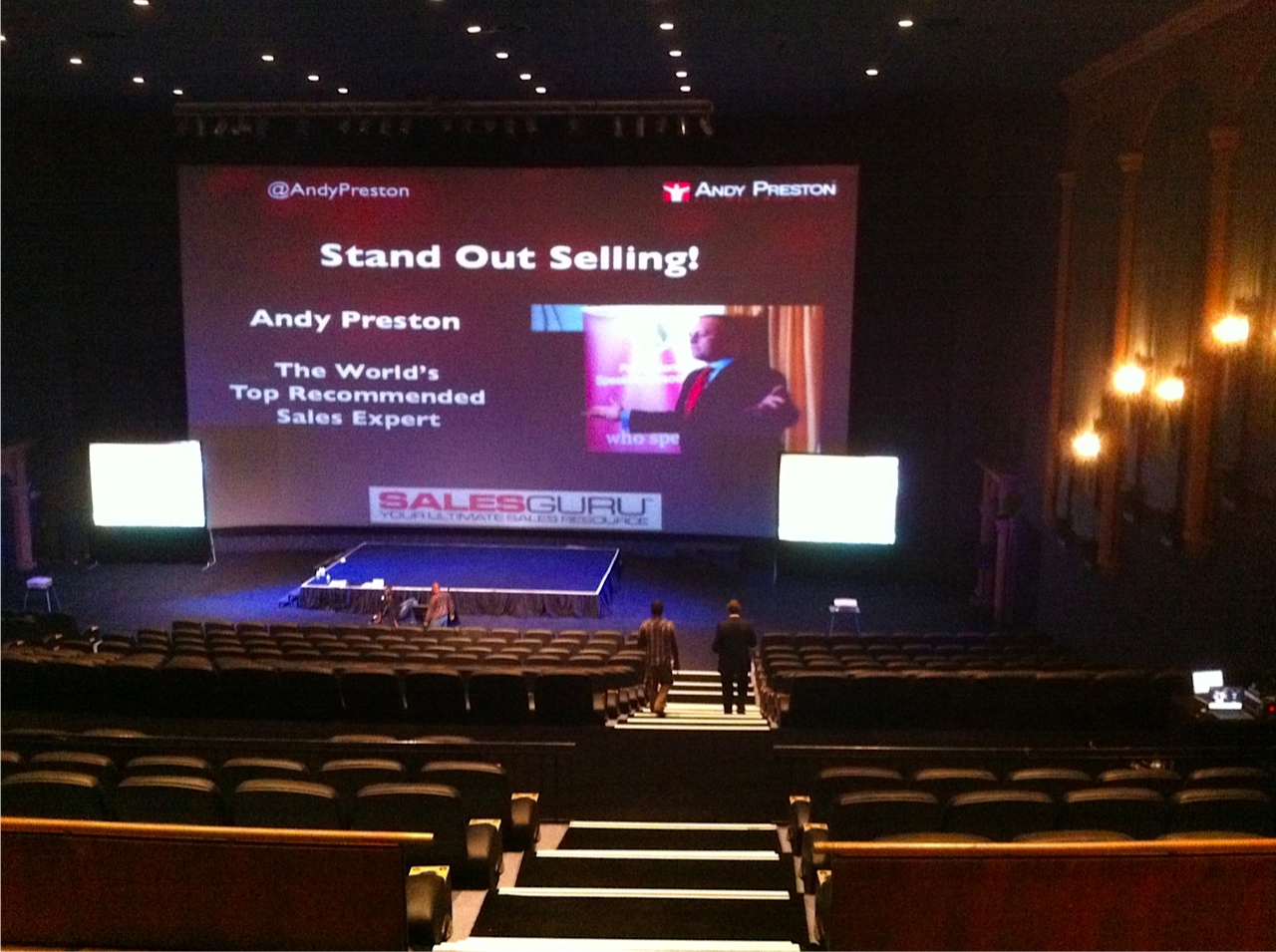
In the evening at the same venue (we like to work him hard!) Andy spoke to 250+ Sales Professionals on how to increase their number of appointments, stand out from the competition, and increase their sales figures!

Sales Events In A Cinema In Johannesburg!

Andy spoke at another Sales event in Johannesburg, to an audience of over 600+ Salespeople, talking about how we need to change the way we sell, and how to improve our new business generation and cold calling activities! Fantastic feedback from the audience, then a quick dash to the airport to travel to the next city!

The next event Andy spoke at was in Durban….

A Barnyard Theatre In Durban!

In Durban for the first time, Andy’s speech was in a Barnyard Theatre, with a full band setup behind the curtain! Tempted as he was to pick up the guitar and play, a fantastic reception from the packed audience convinced him that his Sales speech would go down better!

A great speech with a fantastic audience – from Car Rental and Automotive Companies, Insurance Salespeople, Recruitment, IT and Telecoms Professionals, and many more came to attend Andy’s speech. A great experience in a very unusual venue!

Now it was time to go to King Shaka airport for the trip to Cape Town the following day…..

End Of Tour In Cape Town!


Another packed crowd in Cape Town, where we were standing room only for Andy’s main speech! Delegates from all over the Cape had come to hear Andy’s expertise on Cold Calling and Selling Against The Competition!

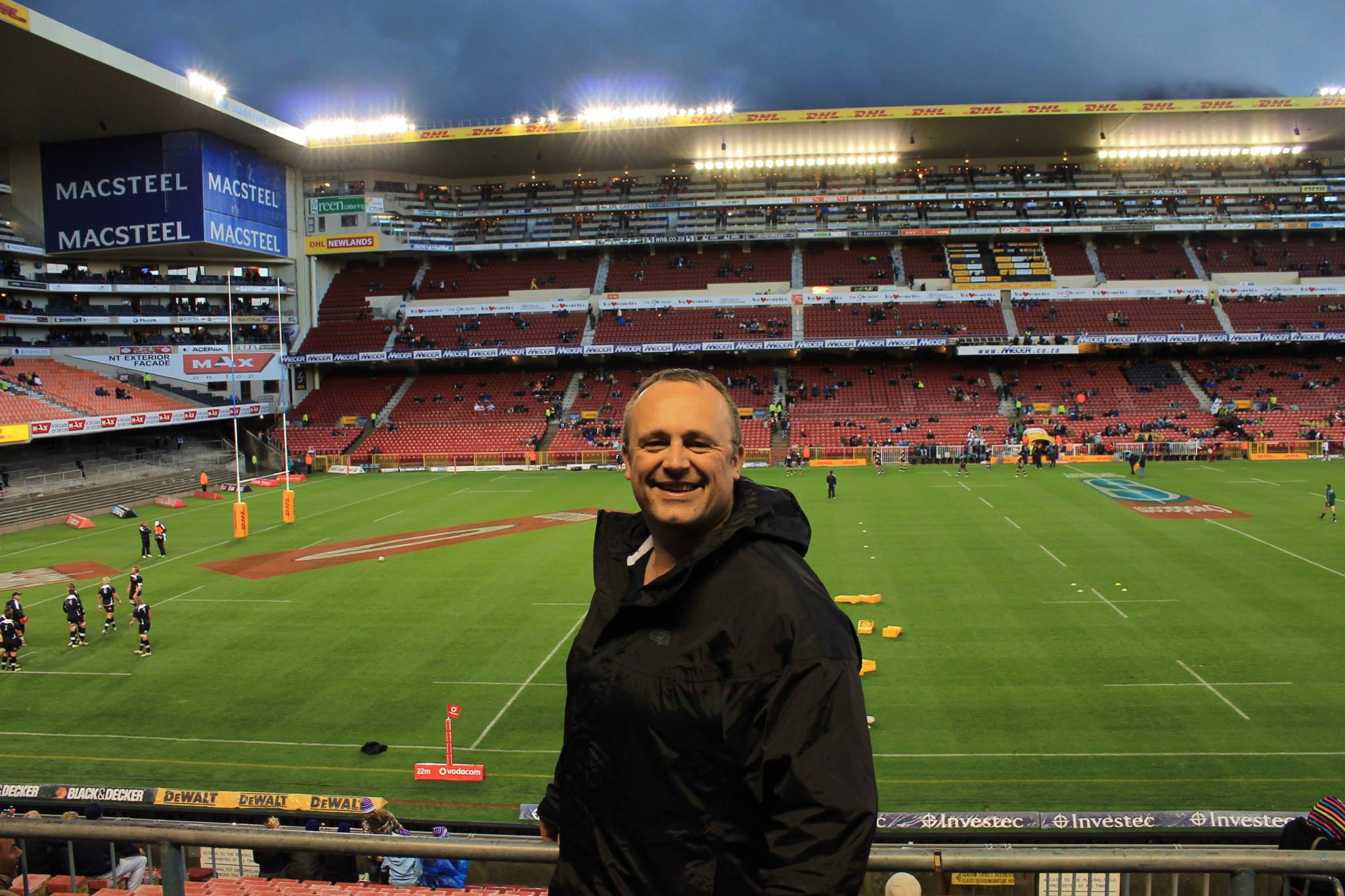
As well as the event, as a rugby fan Andy found time to watch his first Super 15 Rugby game at Newlands, between the Cape Town Stormers and the Southern Kings.

Andy found out during the game just why they’re called the ‘Stormers’ as a massive storm came in whilst the game continued!

More Work…. And Some Time Out!

While Andy was in Cape Town, we worked with a Recruitment Company and a Telecoms company – and had a number of meetings that resulted in more bookings for his next trip!

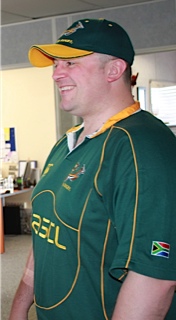
Andy also got into the South African ‘spirit’ and wore a South African rugby top and cap for one of the games!

He still remembers his first visit to Twickenham was a record win for South Africa over England – and his South African friends don’t let him forget it!

Hence the reason he was made to wear the Springbok jersey and cap!

As well as going to see some local wine estates, Andy found time to go and see a crocodile farm while he was in the Cape Town area.

He tells us he had a great time, but I’m not sure the rest of us want to get as close to the crocodiles as he did!!

The picture on the right was taken by Andy… far too close for my liking!

So What’s Next For Andy In South Africa?

Andy will next be in South Africa at the end of October and also December, so if you’re interested in meeting Andy, or booking him to help your team increase sales, get in touch with us now on
+44 161 401 0142 to see if Andy can help you as well, while he’s in South Africa!

About The Author:

Andy Preston is one of the World’s Top Recommended Sales Experts, Sales Trainer and Sales Conference Speaker

Andy Preston

Andy Preston has worked with more than 60,000 people in 16 countries over the last 10 years, helping them to increase their sales!  

He is recognised as the #1 Authority on the evolution of Cold Calling and New Business Selling, as well as being one of the World’s Top Recommended Sales Experts, and the creator of the Stand Out Selling system.

Stand Out Selling is Andy’s signature sales methodology – helping you to sell better against your competition, win more business, and do so – even when you’re a higher price!
 
This article is copyright Andy Preston 2010. To copy or syndicate this or any part of this article contact Andy Preston for guidelines.

Dec 19

LinkedIn Sales Tips – Endorsements….Useful? Or A Waste Of Time?….

By Andy Preston | Digital Selling

In this article, leading Sales Expert Andy Preston talks about LinkedIn Endorsements…. what they mean… how people interpret them….and whether they’re any use…or not!…

One of the things I’ve been asked about a lot recently, is the LinkedIn ‘Endorsement’ feature. Added to a few profiles for ‘testing’ last year (before they rolled it out fully) this has been a topic that comes up recently WHENEVER LinkedIn is mentioned!

And because so may people have asked my thoughts and opinions on it (as well as how to best leverage it, if they are going to use it), I thought it would be useful to put my answers to various people’s questions down here, so you can benefit from my thoughts on the topic too!

So here are some of the questions I’ve been asked… and my responses to them…..let me know what you think by commenting at the bottom of the article as well!

Does Anyone Like The Endorsement Feature?

I must admit, I’m personally not a huge fan of the Endorsement feature on LinkedIn. I personally feel that it actually distracts people from focussing on the more important parts of the profile – like the recommendations section – where you can get a true ‘gauge’ of that individual and what they’re like.

Unfortunately, when LinkedIn made the changes to the profile layout, they ‘forced’ the recommendations section of the profile into the lower section of your profile – so you have less control than you did over how far down (or up) your profile your recommendations appear.

Now that your Endorsements are higher up than your Recommendations, the Endorsements are one of the initial things people base some of their initial judgements about you on.

Interestingly, in this blog in the Observer, written just after the endorsement feature was launched, seems to point out that the feature just seems to encourage people back to LinkedIn itself! Making the site more ‘sticky’ and more people to use it – obviously benefiting LinkedIn itself (and it’s advertising revenue!).

Is The Endorsement Feature Reliable And Trustworthy?

I think the short answer to this is ‘no’. Unlike the Recommendation feature, where people write individual feedback (so you can make a judgement as to the ‘strength’ of the recommendation), the endorsements are done simply with a click of a button – in fact LinkedIn often ‘prompts’ you to endorse people’s skills on occasion just when you land on their profile!

This is made even worse by the fact that it’s sometimes easier to get rid of the ‘do you want to endorse xyz for..’ by clicking ‘endorse’, than it is to click ‘skip’ – as you know if you click ‘skip’ the box will appear NEXT TIME you land on that person’s profile and ask you to endorse them! Just easier to click ‘endorse’ – and lo and behold! Another meaningless endorsement!

The consequence of that, is that you get people endorsing you for skills when they have had little or no interaction with you, and have no idea if you have that skill or not! Even worse, you get endorsed for skills that you don’t actually want on your profile, just that the person endorsing you decided to endorse you for that too – it then appears on your profile – bizarre! Everyone I’ve spoken to talks about this happening to them – and everyone hates it!

If you want to turn off your endorsement feature, or delete any of them, a good article that explains how to do it quickly is here.

Will It Get Any Better With Time?

Actually, I think over time it will get worse! When the Endorsement feature was first introduced, the ‘count’ on the number of endorsements was in 3 figures, i.e. it was able to go up to 999. I know this because some of my own endorsements had over 100 endorsements on there (I have a big network of course, and I’m known for being good at what I do).


In their first revision of the feature however, LinkedIn limited it to 2 figures, so the most endorsements any skill can display is ’99+’. Nobody viewing your profile has any way of telling whether you have 100 endorsements for that skill, or 999!

You can see from the example of my own profile on the left, you can get 99+ endorsements for most (if not all) of your top skills pretty quickly – especially if you have a large network and have trained tens of thousands of people around the world like myself – it’s easy to get to the 99+ stage, fast!

It’s less of an issue for the majority of people right now however, as most people aren’t at the 99+ endorsements for each skill yet. But over time? They probably will be. Which negates any usefulness the feature might have left by that point!

Some of LinkedIn’s own thoughts on Endorsements can be viewed here.

Do You Think LinkedIn Will Remove The Feature Entirely?

I think the Endorsement feature could well be removed by LinkedIn in the future. Once people’s endorsements start to get over 99+, then I think they’ll start to see the uselessness of it!

But it appears to be here to stay… at least for now….. so we need to make sure that our Endorsements get us seen in the best light, and aren’t detrimental to persuading people to connect with us, network with us, buy into us, or buy from us – depending what your outcome is from your LinkedIn profile of course! It’s a case of Risk-Mitigation if you will.

So Andy, What Would You Suggest In Terms Of Risk Mitigation?

I think, whether we like the feature or not (and I think you’ve guessed my opinion on it by now) we need to bear in mind that people will make judgements on us (and our capabilities) based on the what we’re endorsed for, and the numbers.

Their initial judgements will be formed based on that, and backed up (or not) based on your profile summary and your recommendations. Those are the two other places people pay most attention to when looking at a LinkedIn profile as a potential buyer of your products or services for example.

So in terms of ‘risk mitigation’, I’d recommend that you ensure your ‘endorsements’ are for things that relate to your role or areas of expertise.

For example if you’re in Recruitment, ‘recruiting’ should be a skill high up (if not at the top of your endorsement list).

I know this sounds simple, but you’d be amazed how many people fall foul of it!

In the screenshot above, you can see the example of my friend and fellow International Speaker Geoff Ramm.  His top 6 endorsed skills cover the areas he specialises in, or relate to them.  5 of his top 6 relate to either Marketing (his area of expertise) or Speaking (his main method of delivering his message).  His other skill in the top 6, Entrepreneurship, relates to some of his audience.

Okay Andy, Can You Give Us Another Practical Example Of This?

Yes! I know one recruiter who is very very good at recruitment, but his LinkedIn profile doesn’t even show ‘recruiting’ as a skill to endorse! His top is endorsed skill is ‘Russian’ (he is an English guy based in Russia), so his endorsements actually say to people ‘I’m crap at recruiting, but if you want to learn Russian, I’m your guy!!’ – definitely NOT the impression he’s looking to give potential clients!

In an ideal world, while the Endorsement feature is still active, you want your endorsed skills at the top of the list to reflect the most important skills about you and what you do. For example, in this recruiters case, things like ‘recruitment’, ‘finding hidden candidates’, ‘recruitment in russia’, ‘international recruitment’ etc etc – you get the picture.

Thanks Andy, Can You Give Us Any Final Tips?

Well the people I work with most (in relation to training on LinkedIn) are salespeople, and people using LinkedIn for Lead Generation and Business Development purposes. I don’t tend to train standard courses on ‘how to use linkedin’ – anyone can do that! As part of my ‘Stand Out Selling’ sales methodology, I train how to use LinkedIn as a Sales Persuasion tool as part of your sales process – which is a very different thing entirely.

The biggest tip I can give you in relation to that, is think how your profile looks to potential buyers. Your objective (from a Sales Persuasion point of view) is to demonstrate your credibility, your professionalism, how you’ve helped people, how you’ve generated results for them etc etc. Think about the key skills they would want to see (in order to think about buying from you, or at least giving you an enquiry) and make sure they’re right at the top of the endorsements on your profile!


Good luck with your LinkedIn profile and your future sales! Oh, and if we’re not connected already, make sure you connect to me on LinkedIn as well!

And what are your thoughts on the LinkedIn Endorsements feature?  Add your comments below…..

This article is copyright Andy Preston 2014-2016. To copy or syndicate this or any part of this article contact Andy Preston for guidelines.

Mar 04

Sales Lessons From Roberto Martinez

By Andy Preston | General Sales Tips

This article was written when Roberto Martinez was manager of Wigan Athletic. The lessons are still valid, even though Roberto has since moved on to other clubs….

I was lucky enough to be invited to a lunch recently with the Wigan Manager, Roberto Martinez. I was impressed with both what he talked about, and his philosophy on the game. If you’re a regular reader you’ll know I’m a big fan of the link between sports performance and sales performance, so in this article you’ll find some of what Roberto said, and how it relates to sales. Enjoy!

Sales Lesson No 1 – Fans Are Really Important…

One of the most impactful things Roberto shared was that fans really make a difference. When your own fans are loud, it makes a difference to the team. Supportive fans give the players a ‘mental boost’ and a feel good factor – they make a massive difference to the players and how they feel.

On the flip side, when your own fans are quiet, players make mistakes, negative comments from the crowd give impetus to the opposition, and affects both teams and the referee. So the fans are really, really important!

So in a sales context, who are YOUR fans? Who supports you when times are tough? Who gives you the ‘mental boost’ when you need it? Do you get that from your own company? Your friends and family? How about your own ‘inner voice?’ Does that support you? Or knock you down?

You can also use the the power of ‘fans’ in another way. Think about how often people are influenced or persuaded to do something (or at least be more likely to) by the behaviour of others! Think about how you can use that by including case studies or testimonials more in your sales efforts. Particularly if you can get them as a ‘reference site’ – so that prospects can call them, or you can get their testimonial on video, and have it on your iPad or laptop to show straightaway – very powerful.

Sales Lesson No 2 – Manage From The Technical Area!

One of the other guests asked Roberto a question regarding why managers watch games from the bench, rather than in the stand, where you can see more of the strategy of the game going on?

Roberto’s answer was fascinating. He replied that he much prefers to ‘manage’ the game from the technical area, stood on the side of the pitch, as close as possible to the players. The reason for this is that you get to know the players and how they’re playing… he can tell from their breathing patterns if they’re tired, concentrating (or not), he needs to take them off or make a change in the team’s approach for example.

He finds this far more useful than watching from the stands – where you can see more of the ‘strategy’ of the game, but you don’t get the insight into the individual players as much.

So how does this apply to you? Well if you’re a manager, then getting ‘up close’ to your team members will definitely help you to understand what’s going on in their heads, their levels of motivation and confidence, how they’re applying their sales skills and tactics in meetings etc, rather than managing by ‘figures’ back in the office.

If you’re a salesperson, and don’t have that ‘hands on’ interaction from your manager, it’s about knowing yourself… when you need to re-energise…. and having tools like this blog, audios in the car or reading books regularly to keep your own levels of confidence and motivation up! Then putting them into practice in your own ‘technical area’ – your sales meetings!

Sales Lesson No 3 – It’s Harder To Manage When You’re Losing

One of the best comments of the day came from Roberto when he said ‘it’s harder to manage when you’re losing!’ Now that might seem an obvious comment to make, but it was the context in which he made it that was very insightful.

Roberto was talking about when he moved from Swansea to Wigan. One of the biggest things he had to get used to was losing! From going from Swansea (who at the time were winning the vast majority of their matches, 9 out of 11 before his move) to Wigan (who weren’t!) was a big change.

It wasn’t so much the players that were the difficulty – Roberto could work on their confidence and motivation – it was the non-playing staff at the club that were the bigger issue!

He went on to say that if a team doesn’t win in 2 months for example, motiving the non-playing staff is much more difficult that you would initially appreciate. It’s very easy for their heads to drop and get de-motivated, and that feeling spreads through the club really quickly if you’re not careful!

So think about you and perhaps your organisation (or the people you spend your time around most). Very often it can be the non-playing (non-sales) staff that are affected most when a company is struggling. The Customer Service staff when complaint levels rise. The Administration staff when orders are taken wrongly. Project Management or Operational staff when we’re trying to get something done ‘differently’ to the usual process. Management when the company doesn’t win the big deal they were hoping for.

We need to keep them motivated as well – especially if, as a salesperson, we rely on them to ‘back us up’ in delivering our products or services to customers and prospects! How motivated and helpful are your non-sales staff right now?

Sales Lesson No 4 – What Would You Do With More Resources?

One of Roberto’s most interesting comments came when the person next to me asked him ‘Roberto, if there was a takeover of Wigan right now and you had lots more money to spend, where (or who) would you spend it on first?’

His answer was very interesting! Roberto said that the very first thing he would do would be to look at getting his younger, most promising players on longer-term contacts, on a higher wage, so that he could retain them longer and stop the ‘big clubs’ poaching them.

At the moment, as soon as one of his younger players plays well for a number of games, they suddenly start attracting the attention of the bigger clubs…. and the wages they offer (as well as the opportunity) mean that they often move on quickly. With more resource, Roberto would then be able to afford longer-term contracts and higher wages to be able to keep that talent for another season or two, which would have massive benefit for the club.

This was Roberto’s immediate preference in terms of spending money, rather than bringing in ‘bigger name’ players with a high transfer fee, his preference was to keep his existing culture and work with what he’s got for longer – rather than risk disrupting the culture that he’s worked hard to build, by bringing in a number of players from elsewhere at high fees – like many other clubs would do.

So if you had more resource at your disposal right now (money, assistance) what would you do? Would your first answer have been to work with what you already have? Improve the skills of yourself or your existing team members? Or is your immediate assumption something else?

Sales Lesson No 5 – Teams Adapt When You Play Well…

This was another great point Roberto made when he was talking about how other teams have ‘stepped up’ when they’ve come to Wigan this season. As a result of their run of wins at the end of last season, they were more on the ‘radar’ of other teams than before, and the other teams had adapted their play to counteract Wigan’s style.

Before the other teams would have concentrated on their own game, but now they were focusing on Wigan were trying to do as well – and how to stop it! Whilst Roberto saw that as a great compliment, it also made things more difficult than before!

This also happens in sales. When competitors (and particularly competitors sales reps) don’t see you as much of a threat, they focus on themselves and their offering. When you become more successful (or win some clients from them) they suddenly start paying more attention to you, and selling against you.

That’s the exact time you need to step your own game up another level. The time your objection handling, negotiating and your other core sales skills need to come to the fore. The time you need to sell better against your competition again, and the time you need to ensure your own mindset isn’t affected! Game on!

Follow the tips above and watch your sales soar! I look forward to hearing how you get on……..

This article is copyright Andy Preston 2004-2017. To copy or syndicate this or any part of this article contact Andy Preston for guidelines.

Feb 05

Andy Preston…. in South Africa!

By Andy Preston | Andy Preston News

Andy Preston ventures to…. South Africa!

January saw Andy Preston travel to South Africa for the first time. Starting off his speaking tour in Johannesburg, Andy spoke to a recruitment client, as well as meeting with a financial services organisation and another recruitment company interested in working together to improve their sales.

Speaking Event in Melrose Arch!

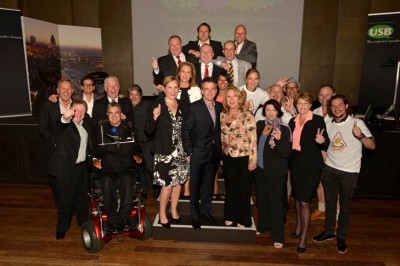
Another highlight of Andy’s stay in Johannesburg was speaking at a prestigious event in Melrose Arch, alongside the cream of South African and International Speaking talent. This was set in an impressive venue, with an audience of over 400 people – from some of the largest organisations in South Africa – many of whom had travelled from all over the country, just for that event!

Continuing The Tour In Cape Town!

Andy continued his tour with a few days in Cape Town, working with an existing client to help them get more business off their competition. Whilst in Cape Town, Andy found time to do some cage diving with sharks (more of that in a separate blog), ziplining down mountains and seeing some of South Africa.

Of course, the highlight of any trip to Cape Town, is of course, Table Mountain!

Next Steps….

Andy is now planning further trips to South Africa in 2013, so if you’re in (or near) Cape Town, Durban or Johannesburg, get in touch with us now on +44 161 401 0142 to see if Andy can help you as well, while he’s in South Africa!


About The Author:

Andy Preston is a leading Sales Expert, Trainer and Motivational Speaker

You can get Andy’s free cold calling and sales tips HERE

This article is copyright Andy Preston 2013. To copy or syndicate this or any part of this article contact Andy Preston for guidelines. Media enquiries – details here
Oct 28

Sales Lessons From The Lance Armstrong Fiasco….

By Andy Preston | General Sales Tips

This article was originally written a dew months after Lance Armstrong was accused of using performance-enhacing drugs. The lessons are still valid, even though it’s now some time since that happened….

Well. It’s been an interesting few months for Lance Armstrong, hasn’t it?!! I must admit, when the United States Anti-Doping Agency (USADA) allegations started coming out a few months ago, as a Lance ‘fan’, I was quick to defend him – coming from a family affected by cancer as many are, I loved his book ‘it’s not about the bike’ and found his story inspirational, coming back from cancer twice to win the Tour De France 7 times.

I was even on his side when USADA tried to take him to court with the ‘evidence’ they had compiled, and his statement about him stopping resisting it anymore because of the impact on his family etc (see Lance’s statement here)

I could relate to him having had enough of ‘fighting’ allegations for years, the effect it had on his family, the fact that he’d never (allegedly) failed a drug test, etc etc.

But Then More Evidence Came Out….

The more ‘evidence’ that came out against Lance, the more I looked into it.

When I saw the statement and the evidence provided by USADA (see their evidence here) read that page, as well as their ‘reasoned decision pdf’ and the ‘appendices and supporting material’ (both tabs on the webpage above) and the fact that Nike and other sponsors looked into it and decided to drop their sponsorship – I started to change my mind.

In light of all that evidence against him, I now believe it was highly likely that Lance DID take performance enhancing drugs and use blood transfusions etc to gain a competitive advantage. It’s pretty hard to think otherwise when you see all that evidence.

I have heard some people still defending him, saying that ‘if they were ALL taking drugs, it was a level playing field, and he still won’. I understand that argument, but it’s not correct. A large number of riders, probably most of the participants, were doping – if the stories now coming out are to be believed.

But the race still wasn’t ‘fair’. It wasn’t about the skill of the rider. Their endurance. Their ability to ride through the pain barrier and still come out on top.

It appears now to have been about who was the most skilled at doping…. and not being caught.

That’s a shame, as at the very least it’s tainted what Lance had achieved and done for so many people.

So what sales lessons can we learn from this?

Sales Lesson No 1 – If You Make A Mistake – Put It Right, Fast!

The first Sales Lesson we can learn from this is that if you make a mistake, put it right fast! Most of the time, if you or your company make an error, the quicker you tell the customer and the quicker you put it right, the better it is for your reputation, your relationship, and your chance of repeat sales.

The more you procrastinate on a problem, hoping it will go away, the more damage you do to your own reputation, and your chances of more business from that particular client. In these days of social media, small problems can magnify quickly and spread a piece of bad news faster than previously possible – make sure you and your company don’t fall victim to this by sorting out customer problems and complaints quickly!

Sales Lesson No 2 – Selling Is All About EMOTION

It’s been interesting to watch both sides of this debate. And how much people have got stirred up by it. How much they’ve been strongly defending Lance, and others have been strongly opposing him and saying how much he’s let everyone down etc etc.

Ultimately this has stirred up emotions within people. And that’s what selling/buying does.

Good salespeople sell on emotion. They transfer emotions from themselves to the buyers in the sales process. You can hear over the phone when someone is confident…. certain……positive…… and when they’re not!

So, what emotions are you currently transferring to prospects in your sales process right now? Positive ones that are MORE likely to help them buy from you. Or ones like bored, tired and disinterested instead?

Sales Lesson No 3 – Focus On The 2%

A lot of people trying to defend Lance, talk about his taking of performance enhancing drugs and blood transfusions ‘not affecting performance that much’. That much is true. In fact in his New York Times article in August, a previous team-mate of Lance, Jonathan Vaughters stated that the difference all the doping made was only about 2%

2% in the Tour De France however is the difference between finishing around 100th place… and winning the thing! So that little 2% matters quite a lot!

So that got me thinking about Sales. What are YOUR 2% things that make the difference?

Is it making those extra calls you’ve been putting off? Working on your objection handling to make sure you don’t get ‘stumped’ by them? Working on having more of a ‘top performer’ mindset?

Think about what things would be the 2% things for you…. And those 2% things could make all the difference!

Sales Lesson No 4 – If You Cheat, You’re Cheating Yourself

We’ve all heard phrases like ‘cheats never prosper’ or ‘you’re only harming yourself’. But what does this actually mean for us in Sales terms?

In Sales, most people aren’t able to ‘cheat’ on a scale that Lance Armstrong has allegedly done. But what are the things that you do to ‘cheat’ yourself out of things?

Not preparing enough for Sales Meetings or important phone calls? Not striving to perform at your best a much of the time as possible (legally!). Not being ‘on your game’ as much as you could be? Not doing the extra things you know you ‘could’ do that would make a difference to your figures?

By taking ‘shortcuts’ or not doing the above, you’re just cheating yourself out of what you could achieve. And in the end, it affects you more than anyone else.

The more evidence I hear against him, the less impact Lance’s amazing feats (like this one) have on me.

And I’m left wondering what to do with the Livestrong band on my desk… and the montage of Lance Armstrong pictures on my wall. I just don’t have the same emotion about them anymore…..

Follow the tips above and watch your sales soar! I look forward to hearing how you get on……..

This article is copyright Andy Preston 2004-2017. To copy or syndicate this or any part of this article contact Andy Preston for guidelines.
Oct 25

Sales Failure 4!! Manchester United Selling Fail!!!

By Andy Preston | General Sales Tips


In the ‘Sales Failure!’ series, leading Sales Expert Andy Preston takes real-life examples of ineffective selling, and uses them as tools to learn how you can avoid the same mistakes, and what to do instead to improve your own sales results….

In this edition of ‘Sales Failure’ we take the example of Zoe from Manchester United (no point trying to change the names as it’s all over the press and websites already!).

Zoe attempted to ‘sell’ some premium executive seating via email recently, and the furious reaction her email received serves as a useful example to dissect her approach – and examine the lessons you can learn from it – in order to improve your own sales approaches and increase your sales!

Here’s an excerpt of the article in the Manchester Evening News…

Manchester United have been forced to issue an embarrassing apology after they offered sought-after derby tickets as a sweetener to potential corporate clients.

The Reds contacted would-be customers via email and told them that if they paid upwards of £1,539 for posh seats and executive boxes at Old Trafford for the rest of the season, they would receive two tickets for the clash with City at the Etihad Stadium in December.

Derby tickets are hugely desirable. Around 2,600 were allocated to the Reds last season – there were 20,000 applicants – and the incentive has prompted a furious reaction from supporters.

But the club said although the offer was discussed, it was subsequently scrapped and should not have been sent out to potential new customers. The tickets that would have been used would have come from the staff allocation, club bosses added.

The offer was emailed out by business development executive Zoe Beckett.

But when news of the offer spread, she was contacted by a number of furious Reds. Several of them wrote to Ms Beckett who issued the apology.

Zoe had to apologise…

In response to one she wrote: “Firstly please accept my apologies as I understand that this has caused offence. We were given a very small handful of tickets as an incentive to gain new business as we are further into the season. I do understand that you are long-standing supporters of the club and we do appreciate your support throughout the years. I will speak to my manager about this matter.”

Replying to another, she wrote: “We had two pairs (of tickets) available. However, they were released from another department and not from the executive club allocation. I am really sorry and I understand why you are frustrated… I can promise that it won’t happen again.”

Dale Haslam, editor of fans’ website Reds Away, said: “The club has a policy which states only executive members, season ticket holders and players can gain access to away tickets and this shocking marketing move flies in the face of that.

“Some fans pay around £1,200 a year just to be able to apply for away games and yet do not get a single away ticket for the entire season. And yet in this case, a high roller would have been able to pay about £2,000 for an executive package and stroll into the City game – the most-wanted ticket of the season – without even having to apply.”

Okay, so let’s dissect Zoe’s approach…

Now, aside from the fact that she’s tried to start her ‘sales relationship’ by ‘Selling By Email’ – a MAJOR error in my opinion as I write in my ‘Selling By Email – 5 Mistakes’ article!

Let’s look at where Zoe went wrong, and what ‘Sales Lessons’ we can learn from her poor sales approach….

Sales Failure Lesson No 1 – Don’t Use Email To Try To ‘Sell’ or ‘Persuade’

Email is a communication tool designed to inform or notify the recipient of information that they need. It is not persuasive – if it was, salespeople would just send their PowerPoint presentation to a prospect – without ever meeting them – and then win the business!

Yet you won’t find many Salespeople doing that! That’s because it’s lazy, ineffective and often causes problems like in this instance – with Manchester United.

Sales Failure Lesson No 2 – Don’t Make Them an Offer BEFORE Qualifying the Prospect

Another mistake salespeople make is not qualifying the prospect BEFORE making their offer. Therefore, they have no idea how they (or their offer) are seen by the potential buyer.

Making an offer without qualifying the prospect is like turning up for a first date, talking about yourself all night, taking no interest in the other person whatsoever, and then wondering why the other person doesn’t call you back about a second date!!

Don’t fall foul of this – make sure you qualify your prospects properly first and make offers that are likely to be accepted by them!

Sales Failure Lesson No 3 – Stop Using Email To ‘Initiate’ Your Sales Process!

A large number of salespeople use email to start their sales process! Often that’s the WORST place to use it!

Anything you put in writing to a client ‘can and potentially will be used against you’ as the saying goes. Its far better to make offers verbally over the phone or face to face to gauge the prospect’s reaction to your offer (or sales incentive), tweak it where necessary, then email to confirm what has already been agreed.

This avoids all the problems that Manchester United have encountered in this circumstance!

So, make sure you use email to CONFIRM what’s already been agreed, not to initiate your sales process.

Follow the tips above and watch your sales soar! I look forward to hearing how you get on……..


This article is copyright Andy Preston 2004-2017. To copy or syndicate this or any part of this article contact Andy Preston for guidelines.

Aug 05

Sales Lessons From An Art Fair…..

By Andy Preston | General Sales Tips

In this article, leading Sales Expert Andy Preston explains what sales lessons we all can learn from an art fair……..and what we can do differently to dramatically improve our sales results…..

This month’s article came from a sponsored ‘art fair’ lunch I was invited to by my accountant. The fair was held by a client of theirs, so was a nice way of supporting their client, and also saying ‘thank you’ to some of their other clients as well.

It was interesting as we went around the exhibition and interacted with the artists, curators and exhibitors how many lessons a salesperson or business owner could learn from their ‘sales’ techniques (both good and bad!).

So, here are the ‘sales lessons’ from an art fair…

Andy’s Sales Lesson Number 1 – Sell With Passion And Enthusiasm


This is a big lesson for most salespeople and business owners, and is something that artists and curators of their work have in abundance! If you’re looking to persuade someone and get them excited about your product or service, you’ve got to talk about it with passion and enthusiasm yourself first!

Business owners in particular have no excuse here, as if they can’t be passionate and enthusiastic about their own business, how on earth can they expect anyone else to be! In a market where it seems there is bad news on a continuous basis, the people that are passionate, enthusiastic and positive stand out. You do want to stand out from your competition, don’t you?

If a salesperson or a business owner isn’t passionate and enthusiastic about their product or service, it shows in the way they talk about it, their presentations, their demonstrations, their objection handling and their closing ratios. Why on earth would you take a gamble on all of that, when you can change it really easily?

Andy’s Sales Lesson Number 2 – Qualify Your Prospects

This happened almost every time we interacted with someone exhibiting at the fair, and you’d be surprised how many salespeople and business owners make the same mistake.

In one particular case, our group were given a ‘speech’ by a salesperson from an insurance company, specialising in insuring art. Now I wouldn’t class myself as a connoisseur of art, very much a novice who falls into the category of ‘I don’t know much about art, but I know what I like’ category. From speaking to them, the majority of our group fell into that same category.

So what would have been a good idea for that salesperson to do at the start of the talk? Talk to the organiser of the trip, or the leader of the group to find out about us beforehand? At the start of her talk, ask the group what their experience of art or art-buying was? Find out how many of the group were collectors, amateurs or people very new to the art world? All of those would be good ideas, wouldn’t they?

However, she chose not to do any of them! Instead, we just got a big speech about the insurance company and how they could help us insure the art we purchased, or already had. And that got me thinking – how many salespeople and business owners often make the same mistake? A lot!

If you fail to qualify your prospects (or your audience) before you start your speech (or sales pitch) then you run the risk of ‘losing’ them as they don’t see your speech as relevant to them. A little time invested beforehand (or at the start of your speech) pays big dividends in sales results later….

Andy’s Sales Lesson Number 3 – Don’t Apologise!

This is something I see a lot of, particularly from people who are struggling or under pressure, someone new to sales, or someone who doesn’t consider themselves a ‘natural’ salesperson.

Far too many sales calls or presentations start with the salesperson or business owner apologising! This is normally down to nerves, or not feeling comfortable, although I’ve heard some trainers teach it as a ‘technique’. What a scary thought! Their idea is that by apologising, you get the audience or prospect on your side. That idea is….quite frankly…ridiculous.

The true impact that has is make the prospect or audience think ‘this person doesn’t know what they’re doing’, ‘oh god, here we go again, another boring pitch’ or for some people – ‘give me someone with authority and credibility, and get this idiot out of here!’

I was looking at one exhibition stand with some very nice photographs of New York, when the artist concerned engaged myself and my accountant in conversation. He was an interesting guy, and after asking about our experience of art and photography and why we came to the exhibition (see sales lesson number 2 above), was telling us the history behind some of the photographs we were looking at.

Sales Mistake Coming Up!

Just at the moment where we were becoming more interested he suddenly got uncomfortable, apologised for being pushy and said he’d leave us alone to have a look, then walked away. HUGE sales error!

This happens a lot with people new to sales, under pressure or not feeling like they’re a ‘natural’ salesperson – they’re afraid of being pushy! Let’s make a distinction here – the only time you’re being ‘pushy’ is when you haven’t taken your prospects needs into account, and you’re trying to ‘push’ something on them they don’t want. That’s probably happened to you in the past, so you don’t want to be seen to do it to others. Invest a little time in speaking to your prospects and finding out their needs first, then it won’t be a problem for you.

Andy’s Sales Lesson Number 4 – Remember Your Objective!

This is something that was missing from everyone at the art fair, and something that many business owners and salespeople miss too. You need to keep your objective in mind at all times, and make sure you’ve achieved it (or as close to it as possible) by the end of the conversation.

If your objective is to close for the sale – then make sure you’ve asked some questions during the conversation that will give you enough value to be able to close afterwards. If your objective is to make an appointment with your prospect, then make sure you’ve put enough value into the conversation for them to put time in their diary and meet you (and not talked too much about your product or service before the meeting of course!).

If your objective is to come back for a further meeting, demonstration or conference call/WebEx, then make sure you’ve booked that before you put the phone down or left the meeting – it will be a lot harder to do afterwards!

Follow the tips above and watch your sales soar! I look forward to hearing how you get on……..

This article is copyright Andy Preston 2004-2019. To copy or syndicate this or any part of this article contact Andy Preston for guidelines.
May 27

Can You Ever Be ‘Too Expensive?’

By Andy Preston | General Sales Tips


In this article, leading sales expert Andy Preston talks about the objection ‘you’re too expensive’….…..

I recently noticed a fellow professional speaker post on his Facebook page that a potential client had told him that the fee he wanted to charge them to speak was ‘too expensive’. He went on to say he was a bit surprised, as he doesn’t normally get that kind of reaction!

Now I know this particular speaker pretty well, and I know that he’s good value for money, but what was most interesting was one of the responses to his post! The person who commented wrote ‘You can’t be too expensive. And you’re value for money. They must have cash flow issues!’

Now whilst I would agree the speaker concerned IS most certainly value for money, there are 4 quick things we can learn from the other person’s comment…..

Andy’s Sales Tip Number 1 – People’s Beliefs ARE Reality – To THEM!

The problem I see here is that I think you CAN be too expensive!! One of my favourite sayings when it comes to sales (and pricing in particular) is that ‘people’s beliefs ARE reality – to them!’.

What I mean by that in this example is that if someone says ‘that’s too expensive‘ it may be that in the moment they DO consider you too expensive – as long as it’s not a negotiation tactic to bring your price down of course!

Now of course there will be some context behind them saying that. They might think it’s too expensive compared to their budget. They might think it’s too expensive compared to what they’ve paid in the past. They might think it’s too expensive compared to what they were expecting to pay.

However, unless you deal with the fact that right now, they consider you too expensive – it’s unlikely you’re going to be able to win this deal, and bring them on board as a customer. Fail to change their belief (and therefore THEIR reality), and you’ll fail to pick up their business!

Andy’s Sales Tip Number 2 – It’s Not Their Fault – It’s Yours!

If someone says to you that you’re ‘too expensive’, make sure you don’t dismiss them (and the sales opportunity) too quickly! As an ex-sales director, I often used to hear my team come back from new business appointments with excuses like ‘they weren’t ready to buy‘, ‘they didn’t have the budget‘, and ‘our price was too rich for them‘.

My response was usually something like ‘Ahh, so you failed to deal with their price concern then?‘ 😉

My belief is that the majority of the time, a price concern (or price objection) is normally the salesperson’s fault, not the prospect’s.

– It might be that…. the prospect doesn’t see enough value in your offering to think it worthwhile paying the price you asked for – YOUR FAULT for not positioning your value to them correctly!

– It might be that…. the prospect doesn’t have the budget to pay the price you want – YOUR FAULT for not finding that out, or speaking to the person who can make a NEW budget!

– It might be that…. the prospect has bought a similar product/service in the past and not paid anything like the price you want to charge them now – YOUR FAULT for not finding out their buying history and positioning correctly against it!

– It might be that…. the prospect won’t get enough value from your offering, in order to generate enough ROI to justify the purchase – YOUR FAULT for not qualifying the Sales Opportunity well enough in the first place!

How many of the above are you and your team guilty of right now? Stop putting the ‘blame’ for price concerns on the client, and see what you and your team could do to handle them better!

Andy’s Sales Tip Number 3 – Find Out – Or Set – Their Expectations

One of the biggest reasons people get price objections, is that the price they want to charge isn’t what the prospect was expecting to pay!

Thinking BusinessmanThis often occurs when the salesperson fails to find out, manage, or on some occasions – set – the price expectations of the prospect.

In the old days, Sales Managers used to lecture their reps ‘make sure you get the customer’s budget BEFORE talking about price!‘

Whilst back then that was pretty solid sales advice, these days people don’t always have budgets. They don’t always have cash available right now. But they ALWAYS have price expectations – and if you don’t find out what they are, re-set them if necessary – or even set them in some circumstances – then you’re always going to struggle with objections to your price!

How well do you and your team set prospects’ price expectations currently?

Andy’s Sales Tip Number 4 – Qualify Harder Early In The Process

Another reason I find that salespeople come up against price objections is that often they’re sat in front of (or speaking to) the wrong people! People that may not have the money to be able to pay the price the salesperson wants to charge, or have the authority (and ability) to find extra money if necessary!

This is usually caused by a failure to qualify well enough (or hard enough) earlier in the process! Then often results in the salesperson spending lots of their precious time dealing with people that aren’t able to buy what they offer at the price they want to charge!

Often this leads to the salesperson becoming frustrated, having to ‘walk away’ from deals, or heavily ‘discounting’ just to win the business – none of which are good outcomes for the salesperson!

How well do you and your sales team qualify your opportunities right now? Check by reading my article on ‘7 Things You MUST Do Before Sending A Proposal’

Follow the tips above and watch your performance and that of your sales team soar!  I look forward to hearing about your future success…. 

You can ask any questions about this article or sales in general, by contacting Andy here


About The Author:

Andy Preston is a leading Sales Expert, Trainer and Motivational Speaker

You can get Andy’s free cold calling and sales tips HERE

This article is copyright Andy Preston 2010. To copy or syndicate this or any part of this article contact Andy Preston for guidelines. Media enquiries – details here